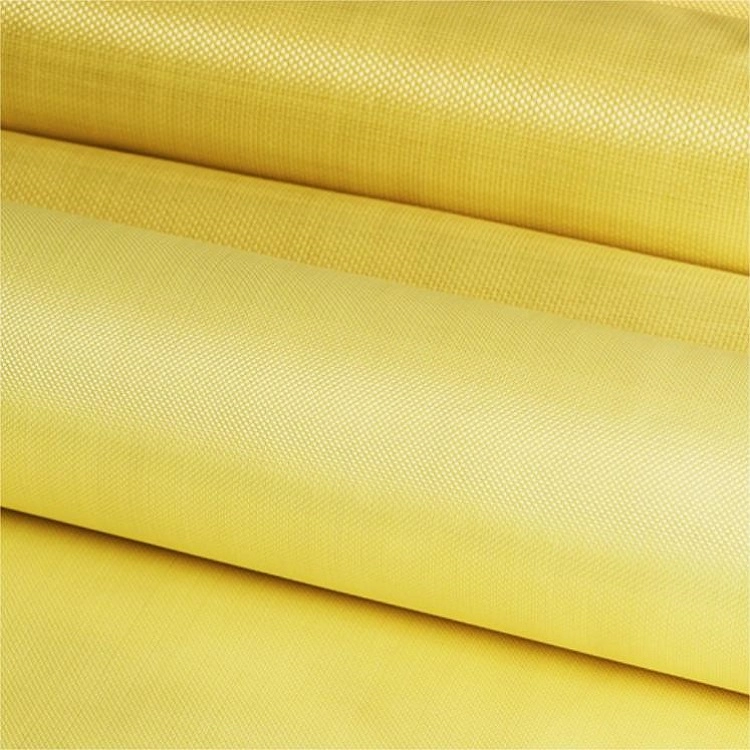
Is aramid fiber really better than fiberglass? Both materials are vital across many industries. Choosing the right one impacts performance and cost.Aramid fiber offers unique strength and heat resistance. Fiberglass is known for affordability and versatility. Understanding their differences is crucial.In this post, you’ll learn key comparisons between aramid fiber and fiberglass. We’ll explore their properties, uses, and which suits your needs best.
Is Aramid Fiber Better Than Fiberglass? Key Performance Comparisons
Density and Weight Advantages of Aramid Fiber
Aramid fiber, such as para aramid fiber often known by the trade name Kevlar, is significantly lighter than fiberglass. This low density makes it ideal for applications where weight reduction is crucial, like aerospace components and high-performance sports equipment. Compared to fiberglass, aramid fiber offers a better strength-to-weight ratio, enabling manufacturers to produce lighter yet durable products. Fiberglass, while lightweight compared to metals, generally has a higher density, which can be a drawback in weight-sensitive projects.
Tensile Strength and Elastic Modulus: Which Material Is Stronger?
When comparing aramid fiber vs fiberglass in terms of strength, aramid fiber typically outperforms fiberglass. Aramid fibers possess higher tensile strength, meaning they resist breaking under tension better than fiberglass. Additionally, aramid has a higher elastic modulus, giving it greater stiffness and less deformation under stress. This makes aramid fabric a preferred choice in ballistic protection, aerospace, and industrial safety applications. Fiberglass, with moderate tensile strength and more flexibility, suits applications needing some bending without breaking, such as marine hulls or automotive panels.
Chemical Resistance: Aramid Fiber vs Fiberglass
Both materials resist corrosion, but aramid fiber exhibits superior chemical resistance. It withstands harsh acids, alkalis, and solvents better than fiberglass, making it suitable for chemical processing and protective clothing. Fiberglass resists general corrosion and is widely used in tanks, pipes, and construction where moderate chemical exposure occurs. However, under extreme chemical conditions, fiberglass may degrade faster than aramid.
High-Temperature Resistance: Durability Under Heat
Aramid fiber excels in high-temperature environments, maintaining its properties at several hundred degrees Celsius. This heat resistance makes it ideal for fire-resistant apparel, thermal insulation, and aerospace components exposed to intense heat. Fiberglass also tolerates high temperatures but tends to soften or melt under prolonged extreme heat. Thus, aramid fiber is preferred for applications demanding long-term thermal stability.
Abrasion and Impact Resistance Comparison
Aramid fiber is renowned for its excellent abrasion and impact resistance. Its toughness helps absorb shocks and resist wear, which is why it’s used in bulletproof vests and protective gear. Fiberglass, while reasonably abrasion-resistant, is more brittle and prone to cracking under impact. This makes aramid a better choice for applications requiring high durability and safety.
Flexibility and Stiffness Differences
Aramid fiber offers a balance of stiffness and flexibility, providing structural integrity without becoming too rigid. Its higher elastic modulus means it resists deformation better than fiberglass, which is more flexible but less stiff. Fiberglass’s flexibility can be advantageous in applications requiring some bending, but aramid’s stiffness is preferred in load-bearing or protective uses.
Cost vs Performance: Evaluating Value
Cost is a major factor when comparing aramid fiber and fiberglass. Aramid fiber, including para aramid variants like Kevlar, is significantly more expensive due to complex manufacturing and raw material costs. Fiberglass offers a more budget-friendly option with decent performance, making it suitable for large-scale or cost-sensitive projects. However, the superior strength, chemical resistance, and heat tolerance of aramid fiber often justify its higher price in critical applications where performance and safety cannot be compromised.
Physical Properties of Aramid Fiber and Fiberglass
Material Density and Its Impact on Applications
Aramid fiber, particularly para aramid fiber like aramid Kevlar, has a notably lower density than fiberglass. This means aramid fabric weighs less, making it a prime choice for industries where every gram counts. Aerospace and sports equipment manufacturers often prefer aramid fiber because its lightweight nature improves fuel efficiency and maneuverability without compromising strength. Fiberglass, while lighter than many metals, is denser and heavier than aramid. This higher density can limit its use in projects where weight is critical but remains acceptable in applications where cost and ease of fabrication matter more.
Tensile Strength and Structural Integrity
When it comes to tensile strength, aramid fiber outshines fiberglass. Aramid’s high tensile strength allows it to withstand greater pulling forces without breaking. This property is why aramid fiber is favored in ballistic protection, aerospace components, and industrial safety gear. Fiberglass fabric, although strong, offers moderate tensile strength. It suits applications like marine hulls and automotive panels where some flexibility and moderate strength are sufficient. The superior tensile strength of aramid fiber means it maintains structural integrity under higher stress, which can be crucial in safety-critical uses.
Elastic Modulus and Flexibility Considerations
Aramid fiber also has a higher elastic modulus compared to fiberglass. This means aramid is stiffer and resists deformation under load better than fiberglass. Despite this stiffness, aramid still retains enough flexibility to absorb impacts without cracking. Fiberglass, on the other hand, is more flexible but less stiff, which can be beneficial when some bending or flexing is required. For example, fiberglass’s flexibility helps in applications like boat hulls, where slight movement can prevent damage. However, in load-bearing or protective applications, aramid’s stiffness offers better performance.
Weight Implications for Aerospace and Sports Equipment
The lightweight nature of aramid fiber makes it ideal for high-performance applications in aerospace and sports equipment. Using aramid fabric can reduce overall weight, enhancing efficiency and responsiveness. For instance, aircraft components made with aramid fiber can improve fuel economy, while sports gear like helmets and racquets benefit from increased strength without added bulk. Fiberglass, while still relatively light, cannot match aramid’s weight advantages. This difference often tips the balance in favor of aramid fiber when weight and strength are top priorities.
Chemical and Thermal Resistance
Resistance to Corrosive Chemicals and Solvents
When comparing aramid fiber and fiberglass in chemical resistance, aramid fiber stands out. It resists a broad spectrum of harsh chemicals, including strong acids, alkalis, and organic solvents. This makes para aramid fiber, such as aramid Kevlar, highly suitable for protective clothing and equipment used in chemical processing industries. Fiberglass also offers good resistance to common corrosive substances but tends to degrade faster under prolonged exposure to aggressive chemicals. For instance, fiberglass is widely used in storage tanks and piping for moderate chemical environments, but in harsh conditions, aramid fiber provides longer-lasting protection.
Performance in High-Temperature Environments
Aramid fiber excels in maintaining its structural integrity at elevated temperatures. It can withstand continuous exposure to heat levels reaching several hundred degrees Celsius without significant loss of strength or flexibility. This property is critical in applications like fire-resistant gear, aerospace components, and thermal insulation. Fiberglass, while resistant to moderately high temperatures, softens and may eventually melt when exposed to extreme heat for extended periods. Therefore, aramid fiber is the preferred choice where thermal stability is non-negotiable.
Suitability for Fire-Resistant and Heat-Insulating Applications
Due to its superior heat resistance, aramid fiber is extensively used in fire-resistant fabrics and heat-insulating materials. Its ability to endure high temperatures without igniting or melting makes it invaluable for firefighter uniforms, welding blankets, and industrial insulation. Fiberglass also finds use in heat shields and insulation but cannot match the same level of fire resistance as aramid fabric. Moreover, aramid fiber’s toughness and flexibility under heat add to its effectiveness in protective applications.
Longevity in Harsh Chemical Conditions
Aramid fiber’s chemical resilience contributes to a longer service life in aggressive environments. It resists degradation caused by chemical exposure, maintaining mechanical properties over time. Fiberglass, though durable, may experience surface erosion or weakening under similar conditions, shortening its lifespan. This distinction is crucial when selecting materials for applications such as chemical plant linings or protective coverings, where material failure can result in costly downtime or safety hazards.
Processing, Application, and Versatility
Ease of Processing and Material Compatibility
When comparing aramid fiber and fiberglass, processing ease and compatibility with other materials are crucial factors. Fiberglass fabric is known for its excellent processability. It can be easily cut, woven, and shaped using common methods like hand lay-up, spray-up, and compression molding. Its ability to bond well with various resins and coatings—such as silicone, polyurethane (PU), polytetrafluoroethylene (PTFE), and acrylic—makes fiberglass highly versatile. These properties allow manufacturers to tailor fiberglass composites for specific functions, including heat resistance, chemical protection, or electrical insulation.Aramid fiber, especially para aramid fiber like aramid Kevlar, is more challenging to process due to its high strength and toughness. It requires specialized equipment and careful handling to avoid fiber damage. However, aramid fabric can be enhanced through coatings or laminations, such as silicone coatings that improve heat resistance and flexibility or aluminum film laminations that add moisture and electromagnetic shielding. These treatments expand aramid’s application range but add complexity and cost to processing.
Common Industrial and Consumer Applications of Aramid Fiber

Aramid fiber’s unique properties make it indispensable in safety-critical and high-performance applications. It’s widely used in ballistic protection gear, such as bulletproof vests and helmets, thanks to its outstanding tensile strength and impact resistance. In aerospace, aramid Kevlar fabric reinforces structural components and parachutes, where strength-to-weight ratio is vital. The fire protection industry relies on aramid for heat-resistant clothing, welding blankets, and thermal insulation covers. Sports equipment like tennis rackets, bicycle frames, and racing sails also benefit from aramid’s lightweight durability.
Fiberglass Applications and Advantages
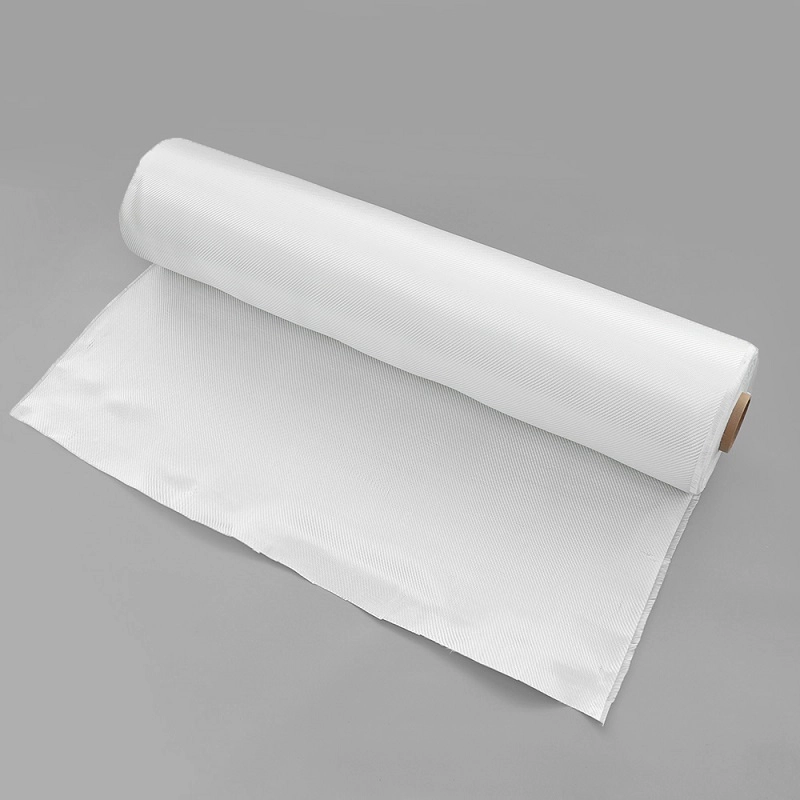
Fiberglass fabric enjoys broad use across many industries due to its cost-effectiveness and versatility. It is a staple in construction for insulation, roofing panels, and structural reinforcement. In automotive, fiberglass composites form body panels, interior parts, and under-hood components. Marine applications include boat hulls and decks, where fiberglass’s corrosion resistance and flexibility are advantageous. Electrical and electronics industries use fiberglass in circuit boards and insulation. Its compatibility with various coatings allows for tailored properties, such as non-stick PTFE-coated fiberglass for baking sheets or silicone-coated fiberglass for high-temperature gaskets.
Coating and Lamination Techniques for Enhanced Properties
Both materials benefit from coatings and laminations that enhance their natural strengths. Fiberglass is often coated with PTFE to create non-stick surfaces or with silicone to improve heat resistance. These coatings increase the fabric’s lifespan and broaden its use in demanding environments. Aramid fiber coatings, such as silicone, boost flexibility and thermal stability. Laminations with aluminum foil or film provide barriers against moisture, heat, and electromagnetic interference, critical in aerospace and industrial shielding applications. These treatments require precise control but significantly expand the functional scope of aramid fabrics.
Customization Potential for Specific Project Needs
Customization is where aramid fiber and fiberglass truly shine. Fiberglass’s ease of processing and material compatibility allow for rapid prototyping and large-scale production with tailored mechanical and chemical properties. Aramid fiber’s coatings and laminations enable bespoke solutions for extreme environments, balancing performance with durability. Manufacturers can select fiber weaves, resin systems, and surface treatments to meet precise project demands, whether for lightweight aerospace parts or chemical-resistant protective gear.
Cost Considerations and Economic Impact
Raw Material and Manufacturing Cost Differences
When comparing aramid fiber and fiberglass, cost differences are significant. Aramid fiber, especially para aramid fiber like aramid Kevlar, is much more expensive due to its complex synthesis and processing requirements. The raw materials for aramid fibers involve specialized chemicals and high-precision manufacturing, which drive up costs. In contrast, fiberglass is made from abundant silica sand and simpler production methods, making it far more affordable. This cost gap can be 5 to 10 times or more, depending on the grade and treatment of the fibers.
Budgeting for Projects: When to Choose Aramid Fiber
Choosing aramid fiber is justified when project demands include high tensile strength, superior chemical and heat resistance, and durability under extreme conditions. Industries such as aerospace, defense, and fire protection often allocate higher budgets to leverage aramid fiber’s performance benefits. For instance, ballistic vests or aircraft components require the lightweight strength and heat tolerance that only aramid fiber can provide. While the upfront cost is higher, the material’s longevity and safety features often reduce maintenance and replacement expenses, offering better value over time.
Cost-Effectiveness of Fiberglass in Large Scale Applications
Fiberglass remains the material of choice for large-scale or cost-sensitive projects. Its lower price allows manufacturers to produce components like boat hulls, automotive panels, and construction reinforcements economically. Fiberglass’s easier processing and compatibility with various resins further cut production costs. When extreme strength or heat resistance is not critical, fiberglass offers a practical balance of performance and affordability. This makes it ideal for applications where moderate mechanical properties suffice and budget constraints dominate.
Long-Term Investment: Durability vs Initial Expense
Though aramid fiber commands a higher initial price, its superior resistance to abrasion, chemicals, and heat often translates into a longer service life. This durability reduces the frequency of repairs or replacements, lowering total lifecycle costs. Conversely, fiberglass’s lower upfront cost can lead to higher maintenance in harsh environments, potentially increasing long-term expenses. Therefore, for projects exposed to demanding conditions, investing in aramid fiber can be more economical over time despite the initial premium.
Lifespan and Durability in Real-World Conditions
Expected Service Life of Aramid Fiber Products
Aramid fiber, including para aramid fiber variants like aramid Kevlar, is known for its exceptional durability. Its resistance to abrasion, chemicals, and high temperatures allows it to maintain structural integrity over extended periods, even in harsh environments. For example, aramid fiber products used in ballistic vests or aerospace components often have service lives spanning many years without significant degradation. This longevity results from aramid’s ability to resist mechanical wear and chemical breakdown, making it a reliable choice for safety-critical and high-performance applications where material failure is not an option.
Durability of Fiberglass Under Various Environmental Stresses
Fiberglass offers good durability in moderate conditions. It performs well against moisture, UV exposure, and general corrosion, which makes it popular in construction, marine, and automotive industries. However, its lifespan can be compromised under extreme heat, prolonged UV radiation, or exposure to harsh chemicals. Fiberglass tends to become brittle or degrade over time when subjected to such stresses, which can lead to cracking or loss of mechanical properties. Protective coatings and laminations can extend its durability, but in very demanding environments, fiberglass may require more frequent maintenance or replacement compared to aramid fiber.
Maintenance and Care for Maximizing Material Lifespan
Proper maintenance significantly affects the lifespan of both aramid fiber and fiberglass products. For aramid fiber, avoiding prolonged exposure to UV light and aggressive chemicals helps preserve its strength and flexibility. Cleaning with mild detergents and storing in dry conditions can prevent premature wear. Fiberglass benefits from regular inspection for cracks or surface damage, especially in outdoor or marine applications. Applying protective coatings such as UV-resistant acrylics or silicone-based sealants can reduce environmental impact and extend service life. Both materials perform best when used within their specified temperature and chemical resistance limits.
Performance Degradation Factors for Both Materials
Several factors contribute to the degradation of aramid fiber and fiberglass over time:
UV Radiation: Fiberglass is more susceptible to UV-induced brittleness, while aramid fiber degrades slower but still requires protection.
Chemical Exposure: Harsh acids or solvents can erode fiberglass faster, whereas aramid fiber resists many chemicals better but may degrade with strong oxidizers.
Thermal Cycling: Repeated heating and cooling can cause micro-cracks in fiberglass; aramid fiber withstands thermal stress better but can lose strength if overheated.
Mechanical Wear: Abrasion and impact damage accumulate faster in fiberglass due to brittleness, while aramid fiber’s toughness provides superior resistance.
Understanding these factors helps in selecting the right material and maintenance approach for specific applications, ensuring optimal lifespan and reliability.
Making the Right Choice: When to Use Aramid Fiber Over Fiberglass
Project Requirements Favoring Aramid Fiber
Aramid fiber, especially para aramid fiber like aramid Kevlar, excels when your project demands exceptional strength, lightweight performance, and resistance to harsh environments. If you need a material that offers high tensile strength and stiffness, aramid fiber is the better choice. It’s ideal for ballistic protection, aerospace components, and fire-resistant apparel where durability under impact, heat, and chemicals is critical. The superior abrasion resistance and chemical stability of aramid fiber make it perfect for applications exposed to wear and corrosive substances. Also, when weight reduction is a priority—such as in sports equipment or aircraft parts—aramid fiber’s low density provides a significant advantage.
Situations Where Fiberglass Is More Practical
Fiberglass stands out in projects where cost-efficiency, ease of processing, and moderate mechanical properties suffice. It is the go-to material for large-scale manufacturing in construction, automotive, marine, and electrical industries. Fiberglass fabric’s flexibility and good tensile strength suit applications like boat hulls, roofing panels, and automotive body parts, where some bending is acceptable. Its compatibility with various resins and coatings allows for versatile composites tailored to specific needs. If your project has budget constraints or doesn’t require extreme heat or chemical resistance, fiberglass provides a reliable, cost-effective solution.
Balancing Performance, Cost, and Application Needs
Choosing between aramid fiber and fiberglass involves weighing performance against cost and processing complexity. Aramid fiber offers superior properties but comes with higher raw material and fabrication costs. Fiberglass is more affordable and easier to work with but lacks some of the advanced performance characteristics. For critical applications demanding maximum strength, heat tolerance, and chemical resistance, investing in aramid fiber pays off in longevity and safety. For general-purpose uses where budget and ease of production are priorities, fiberglass is often the smarter choice. Consider the environment, mechanical stresses, and lifespan requirements when making your decision.
Summary of Key Decision Factors
| Factor | Aramid Fiber | Fiberglass |
| Weight | Lighter, ideal for weight-sensitive projects | Heavier but still lighter than metals |
| Tensile Strength | Higher, excellent for high-stress applications | Moderate, suitable for flexible structures |
| Heat Resistance | Superior, withstands very high temperatures | Good, but softens at extreme heat |
| Chemical Resistance | Excellent against harsh chemicals | Good for moderate chemical exposure |
| Abrasion & Impact | High resistance, tough and durable | More brittle, prone to cracking under impact |
| Cost | Higher due to complex manufacturing | Lower, cost-effective for large-scale use |
| Processing | More complex, requires specialized handling | Easier to process and composite |
| Applications | Ballistic gear, aerospace, fire protection | Construction, automotive, marine, electronics |
Conclusion
Aramid fiber offers superior strength, heat, and chemical resistance compared to fiberglass. Fiberglass remains cost-effective and easier to process for moderate applications. Choose aramid fiber for high-performance needs like aerospace and safety gear. Fiberglass suits budget-conscious projects requiring flexibility and durability. Future material advances promise enhanced properties for both fibers. Jiahe Taizhou Glass Fiber Co.,Ltd provides quality fiberglass products that deliver excellent value for diverse industrial uses. Their offerings support informed material choices for optimal performance and cost balance.
FAQ
Q: Is aramid fiber better than fiberglass for high-strength applications?
A: Yes, aramid fiber generally outperforms fiberglass in tensile strength and stiffness, making it better suited for high-stress uses like ballistic protection and aerospace components.
Q: How do aramid fiber properties compare to fiberglass in chemical resistance?
A: Aramid fiber offers superior chemical resistance to harsh acids and solvents compared to fiberglass, which is better for moderate chemical environments.
Q: What are the cost differences between aramid fiber and fiberglass?
A: Aramid fiber is significantly more expensive due to complex manufacturing, while fiberglass is more cost-effective for large-scale or budget-sensitive projects.
Q: Can aramid fiber replace fiberglass in heat-resistant applications?
A: Yes, aramid fiber withstands higher temperatures without degrading, making it preferable for fire-resistant and thermal insulation uses over fiberglass.
Q: What are the main applications where aramid fiber is preferred over fiberglass?
A: Aramid fiber is favored in ballistic gear, aerospace parts, and fire protection due to its strength, light weight, and heat resistance, while fiberglass suits construction and automotive needs.


