Email: ada@jhfiberglass.com Phone: +86-15152998056 WhatsApp: +86-15152998056
- All
- Product Name
- Product Keyword
- Product Model
- Product Summary
- Product Description
- Multi Field Search


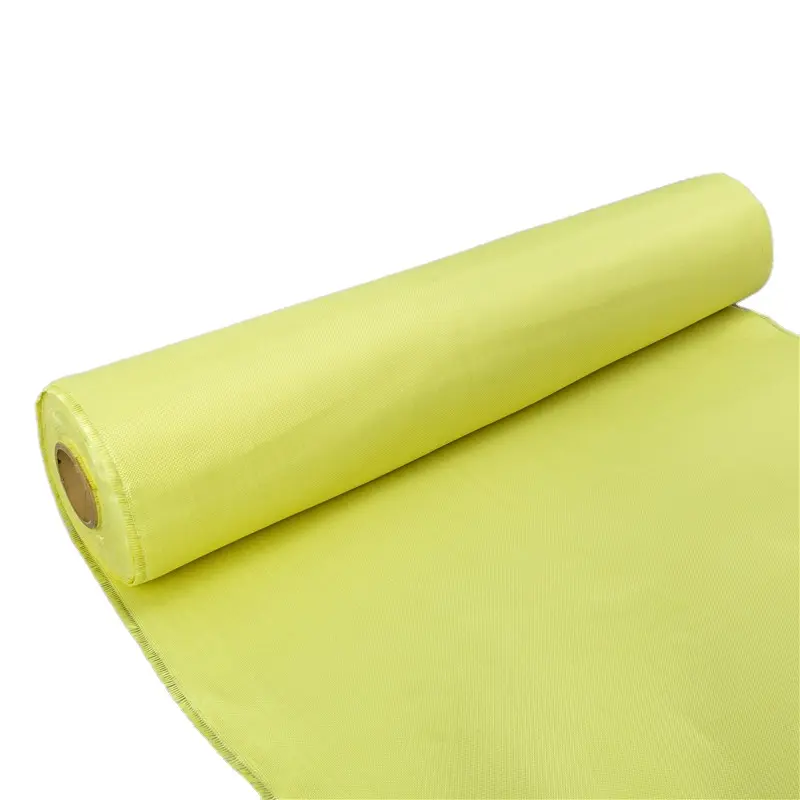
Did you know aramid fabric is stronger than steel yet lightweight? This unique material resists heat and chemicals, making it invaluable today. In this post, you’ll learn what aramid fabric is and explore its key uses across industries.
Aramid fabric is a versatile material prized for its exceptional strength, heat resistance, and durability. Its unique properties make it indispensable across various fields, from protective gear to consumer electronics.
Aramid fabric is widely used in protective clothing, especially flame-resistant gear. Meta aramid fabric, such as Nomex aramid fabric, offers excellent thermal stability and flame resistance, making it ideal for firefighters, industrial workers, and racing drivers. These garments can withstand high temperatures without melting, ensuring wearer safety in hazardous environments.
Para aramid fabric, including aramid kevlar fabric, is renowned for its superior tensile strength. It is a key component in ballistic vests, helmets, and body armor used by military and law enforcement. The fabric’s ability to absorb and disperse energy helps protect against bullets and shrapnel, while remaining lightweight for mobility.
In industrial settings, aramid fiber fabric is used for gloves, conveyor belts, and reinforcement materials. Its resistance to abrasion, chemicals, and heat makes it suitable for harsh manufacturing environments. Aramid thread and aramid weave enhance the durability of these products, extending their service life.
The aerospace and automotive industries rely on aramid textile for lightweight, high-strength parts. Aramid mesh and aramid felt are used in composite materials to improve structural integrity without adding weight. These applications contribute to fuel efficiency and safety.
Aramid fabric for clothing and accessories extends to consumer electronics. Phone, tablet, and laptop cases often use aramid fiber cloth to provide robust protection against impacts and scratches. Its non-conductive nature ensures no interference with wireless signals, making it perfect for tech gear.
Marine applications benefit from aramid fabric by the yard, especially in cordage, sails, and hull reinforcement. Its resistance to saltwater corrosion and high tensile strength improve safety and durability in marine environments. Aramid-coated fabrics are also used in oil booms and environmental safety products.
Athletic equipment and performance apparel incorporate aramid fabric for its lightweight strength and heat resistance. From helmets to protective padding, aramid textile helps athletes stay safe without compromising comfort or agility.
Aramid fabric comes in two main types: para-aramid and meta-aramid. Each type has distinct characteristics that make it suitable for specific applications. Understanding these differences helps manufacturers and designers choose the right aramid fiber fabric for their needs.
Para-aramid fabric is known for its exceptional strength and stiffness. The fibers have polymer chains aligned along their length, which gives them a high tensile strength—up to six times stronger than steel by weight. This makes para-aramid fabrics, such as aramid kevlar fabric, ideal for applications requiring superior durability and impact resistance.Key features of para-aramid fabric:
Outstanding tensile strength and durability
Excellent resistance to organic solvents and abrasion
Good thermal stability, with heat resistance up to around 190–210°C
Lightweight and stiff, providing structural reinforcement
Common applications include:
Ballistic body armor and helmets
Aerospace and automotive composite parts
Industrial reinforcement fabrics
Protective gloves and ropes
Meta-aramid fabric, like nomex aramid fabric, offers excellent heat and flame resistance. Its molecular structure features a zigzag pattern of amide linkages, which results in lower tensile strength compared to para-aramids but superior thermal stability.Key features of meta-aramid fabric:
High resistance to heat and flames, stable up to around 250°C
Soft, flexible, and comfortable for wearables
Good chemical and abrasion resistance
Does not melt; instead, it decomposes at high temperatures
Typical uses include:
Firefighting and industrial protective clothing
Electrical insulation and heat shields
Racing driver suits and flame-resistant apparel
Industrial worker PPE
| Property | Para-Aramid (e.g., Kevlar®, Twaron®) | Meta-Aramid (e.g., Nomex®) |
| Tensile Strength | Very high (6x steel) | Moderate |
| Heat Resistance | Up to 190–210°C | Up to 250°C |
| Flexibility | Stiff and strong | Soft and flexible |
| Chemical Resistance | High, but sensitive to strong acids | Excellent |
| Typical Applications | Ballistic armor, composites | Flame-resistant clothing |
Several well-known brands produce aramid fabrics with specific properties:
Kevlar®: A para-aramid fiber developed by DuPont, famous for ballistic protection and high-strength industrial uses.
Nomex®: A meta-aramid fiber also from DuPont, widely used in flame-resistant clothing and heat protection.
Twaron®: A para-aramid fiber made by Teijin, similar to Kevlar®, used in composites, protective gear, and reinforcement applications.
Each brand offers variations tailored to different industry requirements, ensuring manufacturers can select fabrics that balance strength, heat resistance, and flexibility.
Aramid fabric stands out due to its remarkable combination of properties, making it a top choice for many manufacturers. Whether used as aramid cloth, aramid fiber fabric, or in specialized forms like aramid kevlar fabric and nomex aramid fabric, its benefits deliver superior performance across diverse applications.
One of the most impressive qualities of aramid fabric is its exceptional strength-to-weight ratio. Para aramid fabric, such as Kevlar®, is up to six times stronger than steel by weight. This means products made with aramid fiber cloth can be incredibly durable without adding bulk. This strength is vital in protective gear, aerospace components, and industrial reinforcement, where every ounce counts.
Aramid textile excels in resisting heat and flames. Meta aramid fabric, like Nomex®, can withstand temperatures up to 250°C without melting or degrading. This inherent flame resistance makes aramid fabric for clothing indispensable in firefighting suits, industrial protective wear, and racing apparel. It provides safety without sacrificing comfort or flexibility.
Aramid fabric resists many chemicals and shows excellent abrasion resistance. This durability extends the lifespan of products exposed to harsh environments, such as gloves, helmets, and marine equipment. The aramid thread and aramid weave used in these fabrics contribute to their toughness, ensuring they maintain integrity under stress and repeated use.
Unlike some synthetic fibers, aramid fiber fabric is non-conductive. This property makes it ideal for consumer electronics accessories, such as phone and tablet cases, where it protects devices without interfering with wireless signals. Aramid mesh and aramid felt used in these products ensure safety from electrical hazards while maintaining signal clarity.
Aramid fabrics maintain their structural integrity even under prolonged stress and extreme conditions. They resist deformation, tearing, and wear, which is crucial for industrial applications and protective gear. This durability reduces replacement frequency and enhances safety, offering manufacturers and users long-term value.
Despite its strength and resilience, aramid fabric remains lightweight and flexible. This allows designers to create comfortable clothing and gear that do not restrict movement. Aramid fabric by the yard can be tailored to various thicknesses and weaves, offering versatility for different product requirements.
Aramid fabric plays a crucial role in protective and industrial applications due to its unique combination of strength, heat resistance, and durability. Both para and meta aramid fiber fabrics serve diverse needs across various demanding environments.
Meta aramid fabric, such as nomex aramid fabric, is a preferred choice for flame-resistant clothing worn by firefighters and industrial workers. It withstands extreme heat and flames without melting or dripping, providing critical protection. The fabric’s chemical resistance and durability ensure garments last through harsh working conditions while maintaining comfort and flexibility.
Para aramid fabrics like aramid kevlar fabric offer exceptional tensile strength and impact resistance, making them ideal for ballistic vests and helmets. These materials absorb and disperse energy from bullets and shrapnel, enhancing wearer safety. Their lightweight nature allows for mobility, which is vital for soldiers and law enforcement officers in the field.
Aramid fiber fabric is commonly used in manufacturing protective gloves, helmets, and other safety gear. Its abrasion resistance and toughness help prevent injuries in industrial and hazardous environments. The aramid weave and aramid thread used in these products contribute to their long-lasting performance under stress.
Marine industries benefit from aramid fabric by the yard, especially in ropes, sails, and hull reinforcements. Aramid’s resistance to saltwater corrosion and high tensile strength improves durability and safety on the water. Aramid mesh and aramid felt are also used to reinforce composite materials, enhancing structural integrity without adding excessive weight.
Aramid coated fabrics are effective in environmental protection products like oil booms. Their chemical resistance and durability help contain spills and withstand tough marine conditions. These fabrics ensure reliability and longevity in critical safety applications, supporting environmental preservation efforts.
Aramid fabric has become increasingly popular in consumer products due to its unique combination of strength, durability, and lightweight nature. Its exceptional properties make it an ideal material for protecting everyday technology and enhancing performance gear.
Aramid fiber fabric is widely used in phone, tablet, and laptop cases. Its high tensile strength protects devices from drops, scratches, and impacts without adding bulk. The non-conductive nature of aramid cloth ensures it does not interfere with wireless signals such as Wi-Fi, Bluetooth, or cellular connections. Many premium cases feature aramid weave combined with other materials to provide enhanced durability and a sleek look. For example, aramid kevlar fabric is often chosen for its toughness and resistance to abrasion, making cases more resilient over time.
Wearables like smartwatches and wireless earbuds benefit from aramid textile protection. Aramid fabric for clothing and accessories offers lightweight yet strong shielding against daily wear and tear. Its flexibility allows for comfortable designs that do not restrict movement. Aramid thread is frequently used in stitching wearable covers to ensure long-lasting strength. Additionally, aramid felt and aramid mesh can be integrated into cases and bands to provide extra cushioning and airflow.
Sports gear increasingly incorporates aramid fiber fabric for its high strength-to-weight ratio and heat resistance. Helmets, protective padding, and gloves use para aramid fabric to absorb impact and reduce injury risk. Meta aramid fabric, like nomex aramid fabric, is favored in performance apparel for its flame-resistant properties, often seen in motorsports and industrial sportswear. The combination of durability and comfort helps athletes maintain agility while staying protected.
Durability: Resists scratches, abrasions, and impacts, extending product lifespan.
Lightweight: Adds minimal weight, preserving device portability and user comfort.
Signal Friendly: Non-conductive fibers avoid interference with wireless communications.
Aesthetic Versatility: Can be woven or coated for various textures and finishes.
Thermal Stability: Protects devices and wearables from heat damage during use.
These advantages make aramid fabric a top choice for manufacturers aiming to deliver high-quality, reliable consumer products that stand up to everyday challenges.
The production and quality control of aramid fabric are crucial to ensure its outstanding performance in demanding applications. Whether it’s para aramid fabric like Kevlar® or meta aramid fabric such as Nomex®, understanding the manufacturing process, weave density, coatings, and quality standards helps manufacturers select and produce the right aramid fiber fabric for their products.
Aramid fabric production starts with polymerization, where monomers combine to form long-chain synthetic polyamides. For para aramid fabric, the polymerization creates poly-para-phenylene terephthalamide (PPTA), known for its high tensile strength. This polymer is dissolved in sulfuric acid, producing a liquid crystalline solution that is wet-spun into continuous filament yarns. These yarns have molecular chains aligned along their length, giving the fabric exceptional strength and durability.The fibers then undergo converting processes, including crimping, cutting into staple fibers, or twisting into yarns, depending on the final application. Meta aramid fibers follow a similar process but differ in molecular structure, resulting in softer, more heat-resistant fabrics.
Weave density refers to the number of threads per square inch in the aramid cloth. A higher weave density means more fibers are packed tightly, enhancing durability and resistance to abrasion. For industrial and protective applications, a dense weave ensures the fabric can withstand mechanical stress and repeated wear.However, too high a weave density may reduce flexibility and increase weight. Manufacturers must balance weave density to optimize strength without compromising comfort or design versatility, especially in aramid fabric for clothing or wearable tech.
Aramid fabric often receives specialized coatings to improve performance. These coatings can enhance water repellency, chemical resistance, flame retardancy, and abrasion resistance. For example, aramid coated fabric used in marine or environmental safety products benefits from coatings that protect against saltwater corrosion and oil exposure.Finishing treatments may also improve fabric hand feel, colorfastness, and UV resistance. Some coatings add a protective layer that extends the fabric’s life in harsh conditions, vital for applications like oil booms or firefighting gear.
Manufacturers of aramid fiber fabric must adhere to strict quality standards and regulatory requirements. These include certifications for flame resistance, tensile strength, chemical resistance, and environmental safety. Compliance ensures that aramid textile products meet industry benchmarks and customer expectations.Quality control involves continuous monitoring during production, including testing fiber tensile strength, fabric uniformity, and coating integrity. Leading producers maintain rigorous health, safety, and environmental protocols to deliver consistent, high-performance aramid fabric by the yard or in finished goods.
Selecting the appropriate aramid fabric is essential to maximize performance and cost-effectiveness. Whether choosing aramid cloth, aramid fiber fabric, or specialized materials like aramid kevlar fabric or nomex aramid fabric, several factors influence the best choice for your product.
Application Requirements: Consider the primary function. For high-impact resistance and strength, para aramid fabric like Kevlar® or Twaron® is ideal. For superior heat and flame resistance, meta aramid fabric such as Nomex® works better.
Environmental Exposure: Assess chemical, abrasion, and temperature conditions. Aramid fabric used in marine or industrial settings may need coatings for saltwater and chemical resistance.
Flexibility and Comfort: For wearable products like aramid fabric for clothing, softer meta aramid fabrics or blends offer better comfort and flexibility.
Weight and Thickness: Lightweight aramid fiber cloth is preferred in aerospace or consumer electronics to reduce bulk without sacrificing strength.
Weave and Construction: The aramid weave density affects durability and flexibility. Tight weaves increase strength but reduce pliability.
Aramid fabrics vary in price depending on type, weave, and finishing:
Para-Aramid Fabrics: Generally more expensive due to their high tensile strength and specialized production. Best for ballistic protection, aerospace, and automotive parts.
Meta-Aramid Fabrics: Typically less costly and used where thermal protection is critical. Ideal for flame-resistant clothing and heat shields.
Coatings and Treatments: Additional finishes for water repellency, chemical resistance, or UV protection increase costs but enhance longevity.
Bulk Purchasing: Buying aramid fabric by the yard can reduce unit costs for large-scale manufacturing.
Balancing cost with required performance ensures efficient resource use without compromising safety or durability.
| Application | Recommended Aramid Fabric Type | Notes |
| Ballistic Armor | Para aramid fabric (Kevlar®, Twaron®) | High strength and impact resistance |
| Firefighting Clothing | Meta aramid fabric (Nomex®) | Superior flame and heat resistance |
| Industrial Gloves & Helmets | Para aramid or blend | Abrasion and chemical resistance |
| Aerospace Components | Para aramid fabric | Lightweight, high strength composites |
| Consumer Electronics Cases | Lightweight para aramid fiber cloth | Non-conductive, signal-friendly |
| Marine Safety Products | Aramid coated fabric | Saltwater and chemical resistance |
| Sports Gear | Para or meta aramid blends | Balance of protection and comfort |
Consult Suppliers: Work with reputable aramid fabric manufacturers who provide detailed specifications and testing data.
Prototype Testing: Evaluate fabric performance under real-world conditions to ensure suitability.
Regulatory Compliance: Verify that fabrics meet industry safety and quality standards relevant to your sector.
Customization: Explore custom weaves, coatings, or blends to tailor aramid textile properties to your needs.
Technical Support: Leverage manufacturer expertise for guidance on fabric selection and processing.
By carefully considering these factors, manufacturers can choose the right aramid fabric that fulfills technical requirements while optimizing cost and product longevity.
Aramid fabric is valued for its strength, heat resistance, and versatility across industries. It protects workers, improves safety gear, and enhances consumer products. Innovations continue to expand its applications, meeting evolving industry demands. Jiahe Taizhou Glass Fiber Co.,Ltd offers high-quality aramid fabric that delivers durability and performance, providing excellent value for manufacturers seeking reliable materials for diverse uses. Their products support safety, comfort, and long-lasting results in various fields.
A: Aramid fabric, especially meta aramid fabric like Nomex aramid fabric, is used in protective clothing for its excellent heat and flame resistance. It is common in firefighting suits, industrial worker gear, and racing apparel, providing safety without melting or degrading under high temperatures.
A: Para aramid fabric such as aramid kevlar fabric offers superior tensile strength and impact resistance, making it ideal for ballistic vests and helmets. It absorbs and disperses energy from bullets and shrapnel while remaining lightweight for mobility.
A: Aramid textile like aramid mesh and aramid felt is used in aerospace and automotive components for its lightweight strength and durability. These fabrics reinforce composites, improving structural integrity and fuel efficiency without adding weight.
A: Yes, aramid fiber fabric is used in phone, tablet, and laptop cases due to its high strength, abrasion resistance, and non-conductive properties. Aramid cloth protects devices from impacts without interfering with wireless signals.
A: Consider the application’s primary needs: choose para aramid fabric for strength and impact resistance or meta aramid fabric for heat and flame protection. Also evaluate weave density, coatings, flexibility, and cost to optimize performance and durability.


