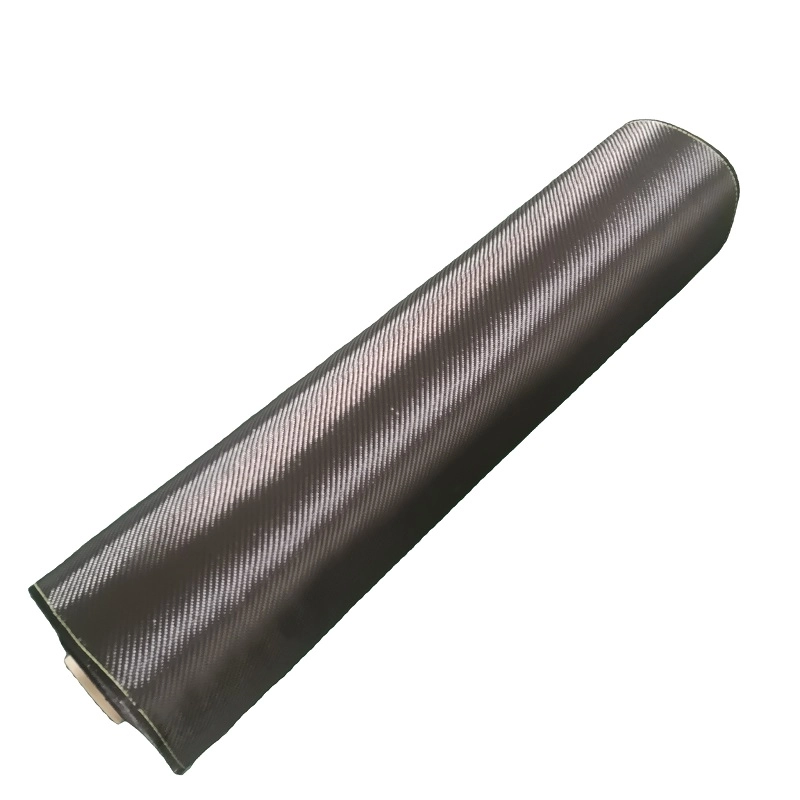
Aramid fiber and carbon fiber are both strong but very different materials. Which one suits your needs best? Choosing the right fiber affects performance and safety. In this post, you’ll learn key differences, properties, and applications of aramid fiber and carbon fiber.
Aramid Fiber vs Carbon Fiber: Core Differences Explained
Chemical and Molecular Structure Differences
Aramid fiber and carbon fiber differ fundamentally in their chemical makeup. Aramid fiber is a synthetic polymer made from aromatic polyamides, featuring repeating amide bonds connected to aromatic rings. This structure gives aramid fibers, such as para aramid fiber types like Kevlar and Twaron fabric, their characteristic toughness and heat resistance. Carbon fiber, however, is composed of thin strands of carbon atoms bonded in a crystalline structure, forming long chains aligned in a specific direction. This arrangement results in exceptional stiffness and strength.
Strength and Tensile Properties Comparison
Both fibers boast impressive strength, but their tensile properties vary. Aramid fiber kevlar exhibits high tensile strength and outstanding impact resistance, absorbing energy without fracturing. This makes it ideal for ballistic armor and protective gear. Carbon fiber offers a higher strength-to-weight ratio and superior stiffness but tends to be more brittle, prone to snapping under sudden impact. For applications demanding rigidity, carbon aramid hybrid fabric is often preferred, while aramid kevlar fabric excels where flexibility and toughness are crucial.
Stiffness and Flexibility Characteristics
Carbon fiber is known for its exceptional stiffness, maintaining shape under heavy loads. Its rigidity suits aerospace components and high-performance automotive parts. In contrast, aramid textile fibers are more flexible, allowing some bending without damage. This flexibility is beneficial in products like ropes, cables, and sports equipment, where durability and shock absorption are essential.
Weight and Density Variations
Carbon fiber has a lower density than aramid fiber, making it lighter. This lightweight nature enhances fuel efficiency in aerospace and automotive industries. Aramid fibers, including para aramid material variants, are slightly heavier but compensate with superior impact resistance. The choice between the two often balances weight savings against durability needs.
Heat Resistance and Thermal Stability
Both fibers withstand high temperatures, but aramid nomex and para aramid fabrics are especially noted for flame resistance and thermal stability, maintaining integrity up to about 427°C (800°F). Carbon fiber can tolerate even higher temperatures but may require protective resin matrices to avoid degradation. This makes aramid fibers preferable in firefighting gear and environments with direct flame exposure.
Chemical Resistance in Different Environments
Aramid fibers resist organic solvents well but may degrade in strong acidic or alkaline conditions. Carbon fibers generally offer broader chemical resistance, depending on the resin used in composites. This difference influences material selection in harsh chemical environments.
Impact Resistance and Durability
Aramid fiber kevlar excels in impact resistance, absorbing shocks without fracturing, which is why it’s common in ballistic armor and protective clothing. Carbon fiber, while strong, can be brittle and may crack under sudden impact. Combining aramid and carbon fibers in carbon aramid hybrid fabrics leverages the strengths of both, enhancing overall durability.
Detailed Properties of Aramid Fiber
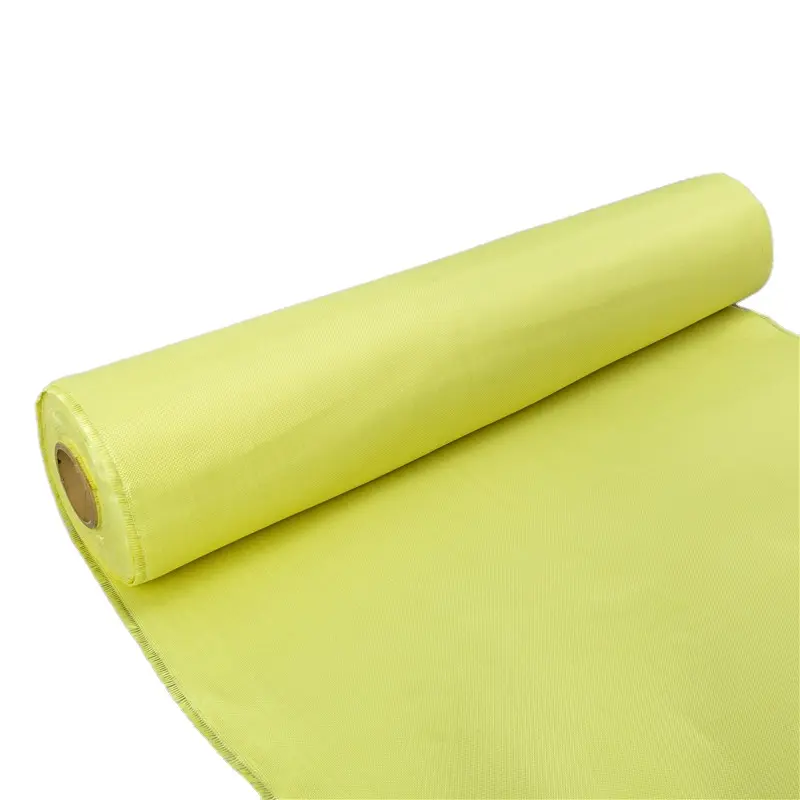
High Tensile Strength and Impact Resistance
Aramid fiber, including well-known variants like Kevlar and Twaron fabric, offers remarkable tensile strength. This strength allows it to resist stretching and absorb impacts without breaking. For example, aramid fiber kevlar is five times stronger than steel by weight. This makes it ideal for applications needing durability under sudden forces, such as ballistic armor and protective gear. Its ability to absorb energy rather than shatter sets it apart from many other fibers.
Heat and Flame Resistance Capabilities
One of the standout features of para aramid fiber and meta-aramid types, such as Nomex aramid fabric, is their excellent heat and flame resistance. Aramid nomex can maintain integrity at temperatures up to about 427°C (800°F). This makes aramid kevlar fabric and para aramid materials perfect for firefighting suits, industrial protective clothing, and aerospace components exposed to high heat. The fibers resist ignition and do not melt, providing a critical safety advantage.
Abrasion Resistance and Longevity
Aramid textile fibers excel in abrasion resistance, which means they endure wear and tear better than many alternatives. This property extends the lifespan of products like ropes, cables, and automotive parts reinforced with aramid kevlar. Twaron fabric, for instance, is widely used where friction and mechanical wear are concerns. This durability reduces maintenance and replacement costs in demanding environments.
Lightweight Nature and Density Considerations
While aramid fibers are slightly denser than carbon fiber, they remain lightweight compared to metals. Para aramid fiber balances strength and weight, making it suitable for applications where weight savings are important but impact resistance cannot be compromised. The density of aramid fiber kevlar typically ranges around 1.44 g/cm³, which is heavier than carbon fiber but still light enough for aerospace and automotive uses.
Variations Among Aramid Fiber Types (Para-aramid vs Meta-aramid)
Aramid fibers come mainly in two forms: para-aramid and meta-aramid. Para-aramid fibers, like Kevlar and Twaron fabric, focus on high tensile strength and impact resistance. They are used in ballistic protection and structural reinforcement. Meta-aramid fibers, such as Nomex aramid fabric, prioritize heat and flame resistance, making them ideal for thermal protective gear. Understanding these differences helps select the right aramid carbon or para aramid fabric for specific needs.
Detailed Properties of Carbon Fiber
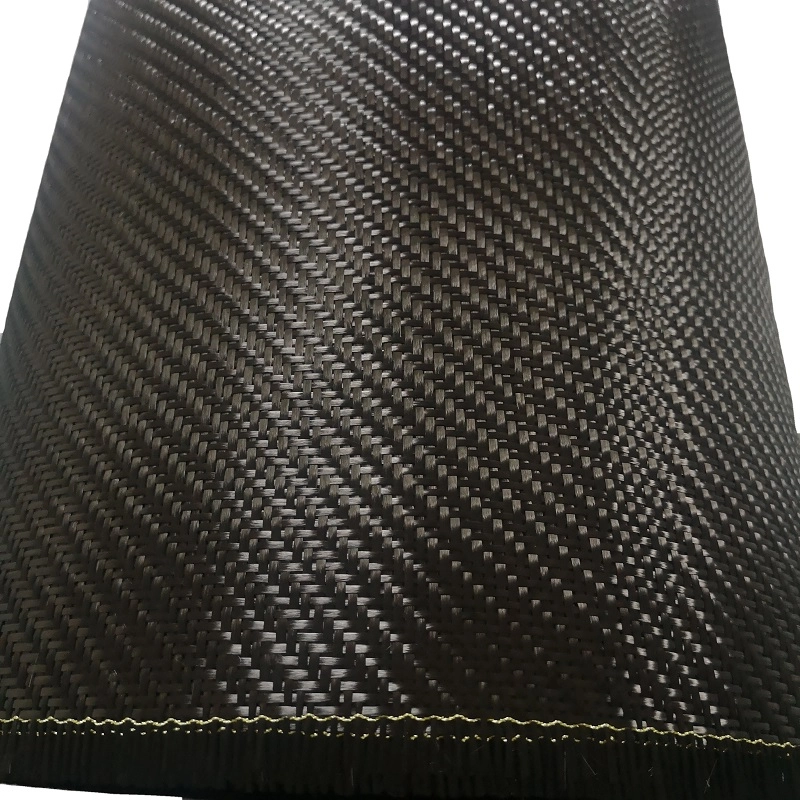
Exceptional Strength-to-Weight Ratio
Carbon fiber is renowned for its remarkable strength-to-weight ratio. This means it delivers exceptional strength while remaining incredibly lightweight. Compared to metals and many other materials, carbon fiber provides high load-bearing capacity without adding much weight. This property makes it a favorite in aerospace and automotive industries where reducing weight improves fuel efficiency and performance. For example, carbon aramid hybrid fabric often combines this strength with aramid fiber's toughness to optimize both weight and durability.
Superior Stiffness and Rigidity
One of the defining characteristics of carbon fiber is its superior stiffness. It resists bending and deformation under heavy loads, making it ideal for structural applications. Unlike aramid textile fibers, which offer flexibility, carbon fiber maintains shape and rigidity. This stiffness is why carbon fiber is widely used in high-performance automotive parts, aerospace structural components, and sporting goods like bicycle frames and golf clubs. Its rigidity ensures consistent performance and stability.
Thermal and Chemical Resistance
Carbon fiber exhibits excellent thermal resistance, tolerating high temperatures without significant strength loss. It often withstands temperatures higher than para aramid materials like Kevlar or Nomex aramid fabric, especially when combined with heat-resistant resin matrices. Additionally, carbon fiber shows broad chemical resistance, functioning well in acidic and alkaline environments. This makes it suitable for harsh industrial settings and marine applications where exposure to chemicals and saltwater is common.
Electrical Conductivity and Its Implications
Unlike aramid fiber kevlar, which is non-conductive, carbon fiber is electrically conductive. This trait can be both advantageous and challenging. In electronics or aerospace, its conductivity can help with electromagnetic shielding. However, in some applications, it might interfere with radio signals or require insulation to prevent electrical shorts. This factor is crucial when designing products like carbon aramid fabric composites, where both fibers are combined to balance conductivity and insulation.
Different Types of Carbon Fiber and Their Uses
Carbon fiber comes in several types, each tailored for specific needs:
Standard Modulus Carbon Fiber: The most common type, offering a good balance of strength and cost. Used in automotive parts and sporting goods.
Intermediate Modulus Carbon Fiber: Higher stiffness and strength, suitable for aerospace components and advanced sporting equipment.
High Modulus Carbon Fiber: Ultra-stiff and strong, ideal for high-end racing cars, aerospace, and precision instruments.
PAN-based Carbon Fiber: Made from polyacrylonitrile, it is versatile and widely used across industries.
Pitch-based Carbon Fiber: Known for higher thermal and electrical conductivity, used in specialized aerospace and defense applications.
Each type's selection depends on the application's strength, stiffness, weight, and cost requirements.
Applications of Aramid Fiber Across Industries
Protective Gear and Ballistic Armor
Aramid fiber, especially aramid kevlar fabric, is widely known for its exceptional impact resistance. This makes it a top choice for protective gear such as bulletproof vests, helmets, and ballistic armor. The fiber’s ability to absorb and disperse energy without breaking is crucial in defense and law enforcement. Para aramid fiber variants like Kevlar and Twaron fabric provide lightweight yet durable protection, allowing for mobility without sacrificing safety.
Aerospace Components and Structural Uses
In aerospace, aramid fiber finds use in components where strength and heat resistance are vital. Aramid nomex and para aramid fabrics are used in aircraft interiors, insulation, and structural reinforcements. Their lightweight nature helps reduce overall aircraft weight, improving fuel efficiency. Aramid fiber kevlar composites also contribute to enhanced durability against abrasion and impact in aerospace applications.
Automotive Parts and Safety Equipment
The automotive industry benefits from aramid fiber’s toughness and heat resistance. It is used in tires, brake pads, clutches, and gaskets, where durability under stress and high temperatures is essential. Aramid kevlar fabric reinforces these parts, extending their lifespan and improving safety. Additionally, aramid textile materials help reduce vehicle weight while maintaining strength, contributing to better fuel economy.
Sports Equipment and Recreation
Aramid fiber’s flexibility combined with high strength makes it ideal for sports equipment. Products like racing sails, hockey sticks, ski poles, and archery bows often incorporate para aramid material for enhanced performance and durability. Aramid carbon composites provide shock absorption and resistance to wear, allowing athletes to rely on their gear under demanding conditions.
Wire and Cable Reinforcement
In the wire and cable industry, aramid fiber is used as reinforcement to increase tensile strength and durability. Aramid kevlar fabric wrapped around cables prevents stretching and damage during installation and use. This is particularly important in telecommunications, power distribution, and industrial automation, where reliability is critical. The fiber’s chemical resistance also helps cables withstand harsh environments.
Applications of Carbon Fiber Across Industries
Aerospace Structural Components
Carbon fiber's high strength-to-weight ratio and stiffness make it a top choice in aerospace. It is widely used in aircraft fuselages, wings, and structural components to reduce weight while maintaining durability. This reduction in weight improves fuel efficiency and overall performance. Carbon aramid hybrid fabric sometimes enhances these components by adding impact resistance from aramid fiber, combining the best of both materials.
High-Performance Automotive Parts
In the automotive industry, carbon fiber is favored for manufacturing high-performance parts such as body panels, chassis components, and suspension parts. Its lightweight nature helps improve acceleration, handling, and fuel economy. Carbon fiber composites are also used in sports cars and racing vehicles where stiffness and strength are critical. Some manufacturers incorporate aramid carbon blends to improve impact resistance without sacrificing rigidity.
Sporting Goods and Equipment
Carbon fiber is prevalent in sporting goods like bicycle frames, tennis rackets, golf clubs, and fishing rods. Its stiffness offers excellent energy transfer and responsiveness, enhancing athletic performance. Carbon aramid fabric composites are also used in hockey sticks and racing sails, where a balance of flexibility and strength is needed. The combination of carbon fiber and aramid textile delivers durability and shock absorption.
Marine and Wind Energy Applications
Carbon fiber’s corrosion resistance and strength make it ideal for marine applications, including boat hulls, masts, and rigging. It withstands harsh saltwater environments better than many materials. In wind energy, carbon fiber is used in turbine blades to reduce weight and increase efficiency. These blades benefit from carbon aramid hybrid fabric, which boosts toughness and fatigue resistance, extending service life.
Construction and Medical Uses
In construction, carbon fiber reinforces concrete, bridges, and buildings, providing added strength without significant weight increase. Its durability helps in retrofitting and repairing structures. Medical applications include prosthetics, surgical instruments, and imaging devices, where carbon fiber’s biocompatibility and lightness improve patient comfort and device performance. Combining carbon fiber with aramid fiber can enhance impact resistance in some medical tools.
Cost, Availability, and Practical Considerations
Comparative Cost Analysis of Aramid Fiber and Carbon Fiber
When comparing costs, aramid fiber generally offers a more affordable option than carbon fiber. The manufacturing process for carbon aramid fabrics involves complex steps like high-temperature carbonization, which raises production expenses. Aramid fibers, such as para aramid fiber variants like Kevlar and Twaron fabric, require less energy-intensive processing, making them relatively cost-effective. However, prices for both materials fluctuate based on quality, grade, and market demand. Carbon aramid hybrid fabrics, combining both fibers, often carry premium costs due to their enhanced performance.
Market Availability and Production Trends
Carbon fiber enjoys broader market availability due to advancements in production technologies and increasing demand, especially in aerospace and automotive sectors. Aramid fiber, including aramid kevlar fabric and para aramid materials, remains widely used but is somewhat less abundant. Supply chains for aramid nomex and meta-aramid fabrics are stable but can be more niche. Growth in composites drives interest in hybrid fabrics, blending carbon and aramid fibers for tailored properties.
Customization and Versatility in Manufacturing
Both fibers offer customization opportunities, but carbon fiber is often more versatile in manufacturing. Carbon aramid fabric composites can be engineered with varied weave patterns, resin types, and fiber orientations to meet specific stiffness and strength requirements. Aramid textile fibers, like those in twaron fabric or kevlar para aramid blends, excel where impact resistance and flexibility are priorities. Manufacturers can adjust thickness, layering, and resin impregnation to optimize performance for diverse applications.
Choosing the Right Fiber Based on Application Needs
Selecting between aramid fiber kevlar, carbon fiber, or carbon aramid hybrid fabric depends on application demands:
Impact resistance and toughness: Aramid kevlar and para aramid fabrics are preferred.
High stiffness and lightweight: Carbon fiber suits aerospace and automotive parts.
Balanced properties: Carbon aramid hybrid fabrics offer a compromise, combining strength and durability.Consider environmental exposure, mechanical stresses, and budget constraints to guide fiber choice.
Environmental and Lifecycle Considerations
Both fibers have environmental impacts tied to production and disposal. Carbon fiber manufacturing is energy-intensive, and recycling remains challenging. Aramid fibers, including nomex aramid fabric, are also synthetic polymers with limited biodegradability. However, aramid fibers often exhibit longer service life in abrasion-prone applications, potentially reducing replacement frequency. Hybrid fabrics may extend component lifespan, indirectly benefiting sustainability. Emerging recycling methods and eco-friendly resin systems aim to improve lifecycle profiles for both materials.
Innovative Uses and Combining Aramid Fiber with Carbon Fiber
Hybrid Materials and Composite Technologies
Combining aramid fiber and carbon fiber creates hybrid materials that leverage the strengths of both fibers. These carbon aramid hybrid fabrics blend the toughness and impact resistance of aramid kevlar fabric with the stiffness and lightweight properties of carbon fiber. Manufacturers use advanced composite technologies to weave or layer these fibers, often impregnated with resin matrices, producing materials that outperform single-fiber composites. This approach is common in aerospace, automotive, and sporting goods industries, where tailored performance is essential.
Benefits of Combining Fibers for Enhanced Performance
By merging aramid carbon fibers, hybrid fabrics gain improved impact resistance without sacrificing rigidity. Aramid fibers absorb shocks and prevent crack propagation, while carbon fibers provide structural stiffness and reduce weight. This synergy extends product lifespan and enhances safety. For example, carbon aramid fabric composites can resist fatigue and mechanical stresses better than either fiber alone. Additionally, hybrid fabrics balance electrical conductivity and insulation, useful in electronics and aerospace.
Examples of Products Using Both Fibers
Several high-performance products utilize carbon aramid hybrid fabrics:
Aerospace components: Structural panels and interior parts benefit from combined heat resistance and strength.
Automotive parts: Sports car chassis and body panels employ hybrid fabrics for lightweight durability.
Sports equipment: Racing sails, hockey sticks, and bicycle frames use aramid carbon composites for flexibility and toughness.
Protective gear: Helmets and ballistic armor integrate both fibers to optimize impact absorption and rigidity.
Wearable accessories: Brands like PITAKA develop phone cases and watch bands using aramid fiber combined with carbon fiber for style and protection.
Future Trends in Fiber Technology
The future of fiber technology points toward more sophisticated carbon aramid hybrid fabrics. Innovations include nano-enhanced fibers, improved resin systems, and 3D weaving techniques. These advances aim to further reduce weight, increase strength, and enhance multifunctional properties like thermal management and electromagnetic shielding. Sustainable production methods and recyclability of hybrid composites are also gaining focus, responding to environmental concerns. As industries demand smarter, stronger, and lighter materials, the combination of aramid fiber and carbon fiber will play a pivotal role.
Conclusion
Aramid fiber offers excellent impact resistance and flexibility, while carbon fiber provides superior stiffness and a high strength-to-weight ratio. Choosing the right fiber depends on specific application needs, balancing toughness, rigidity, and environmental factors. Cost and availability also influence the decision, with aramid generally more affordable and carbon fiber more widely used. For industries seeking optimized performance, Jiahe Taizhou Glass Fiber Co.,Ltd provides high-quality fibers that deliver durable, lightweight solutions tailored to diverse demands.
FAQ
Q: What is the main difference between aramid fiber and carbon fiber?
A: Aramid fiber, such as para aramid fiber types like Kevlar and Twaron fabric, is a synthetic polymer known for toughness and impact resistance, while carbon fiber features a crystalline carbon structure offering superior stiffness and a higher strength-to-weight ratio. Carbon aramid hybrid fabric combines both for balanced performance.
Q: Why choose aramid fiber kevlar over carbon fiber for protective gear?
A: Aramid fiber kevlar excels in impact resistance and energy absorption, making it ideal for ballistic armor and protective clothing, whereas carbon fiber is stiffer but more brittle. Aramid kevlar fabric provides flexibility and durability under sudden impacts.
Q: How does the heat resistance of aramid fiber compare to carbon fiber?
A: Para aramid fiber variants like Nomex aramid fabric maintain integrity up to about 427°C, offering excellent flame resistance. Carbon fiber tolerates higher temperatures but often requires protective resins. Aramid nomex is preferred for direct flame exposure.
Q: Are aramid fibers more cost-effective than carbon fibers?
A: Generally, aramid fiber, including para aramid material like Kevlar and Twaron fabric, is more affordable due to less energy-intensive production compared to carbon fiber. Carbon aramid hybrid fabrics, combining both fibers, tend to be pricier but offer enhanced properties.
Q: Can aramid fiber and carbon fiber be combined for better performance?
A: Yes, carbon aramid hybrid fabrics blend aramid kevlar’s toughness with carbon fiber’s stiffness and lightness, producing composites with improved impact resistance, durability, and weight savings used in aerospace, automotive, and sports equipment.


