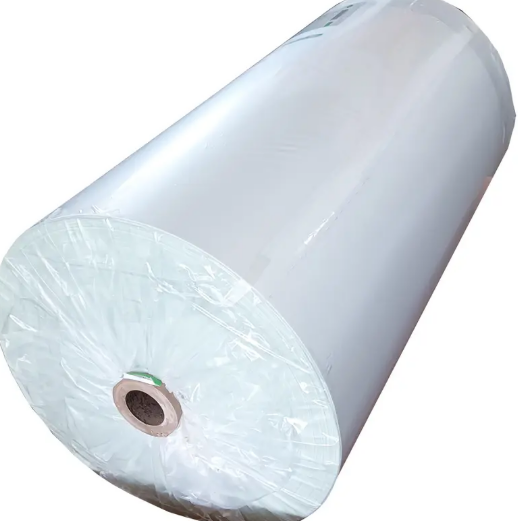
Fiberglass cloth is widely used in industry and construction. Many ask, “Is fiberglass cloth flammable?” In this article, we explore its fire resistance and flame-retardant properties. You will learn how it behaves in heat and how to use it safely.
Understanding Fiberglass Cloth Composition
What Fiberglass Cloth Is Made Of
Fiberglass cloth consists primarily of silica-based glass fibers (SiO₂). Unlike organic fibers, these inorganic strands do not support combustion. They naturally resist high temperatures and maintain structural integrity when exposed to fire. This composition makes fiberglass cloth an ideal material for environments requiring enhanced safety and fire management.
Fiberglass cloth differs from materials like cotton or polyester, which ignite easily. While synthetic fibers can produce harmful fumes during burning, fiberglass remains chemically stable under high heat. This inherent property is key to its widespread adoption in safety-critical applications.
Inherent Properties Related to Fire
Fiberglass cloth has a high melting point ranging from 1000°C to 1400°C (1832–2552°F). Its inorganic nature means it does not contribute fuel to a fire, providing reliable fire resistance. In addition, it maintains shape and performance under extreme heat, making it essential for industrial and construction applications.
The thermal stability of fiberglass cloth allows it to act as a barrier against heat transfer. This property is why it is often chosen for furnace linings, pipe wraps, and heat-protective covers. The material’s stability ensures consistent performance even in prolonged exposure to high temperatures.
Common Additives and Coatings
Fiberglass cloth can be treated with coatings such as silicone, ceramic, or aluminum foil. These layers improve fire resistance and prevent minor smoke or burning if exposed to direct flame. Coatings also enhance chemical and abrasion resistance, extending the material’s lifespan and safety margin.
While pure fiberglass does not burn, impurities or contaminants may slightly affect performance. Dust, oil stains, or added resins can reduce fire resistance. Careful installation and maintenance are essential to preserve the cloth’s flame retardant properties.
Flammability Analysis of Fiberglass Cloth
Is Pure Fiberglass Cloth Flammable?
In its pure form, fiberglass cloth is not flammable. The silica fibers do not ignite, and they do not release combustible gases. This makes the cloth inherently safe to use in fire-prone areas. It can withstand significant heat without contributing to flame spread, confirming its suitability for both industrial and household applications.
Factors That May Affect Flammability
Although the cloth itself does not burn, external factors can influence flammability. Contaminants like oil, dust, and mold can ignite at high temperatures. Additionally, adhesives, plastic films, or paper facings attached to fiberglass products may burn, but the fiberglass core remains intact.
Factor | Impact on Flammability | Example |
Oil stains | Can ignite under high heat | Industrial workshops |
Paper or plastic films | May burn if exposed | Laminated insulation sheets |
Dust accumulation | Minor smoke emission | Long-term storage areas |
Mold growth | Localized smoldering | Damp storage environments |
Real-World Fire Scenarios
In household fires, fiberglass cloth acts as a reliable barrier against flames. It may deform or emit small smoke under extreme heat, but it will not propagate fire. In industrial settings, it protects machinery, pipes, and equipment, reflecting heat and preventing structural damage.
Heat response thresholds are critical for safety planning. Knowing the melting and degradation temperatures ensures that fiberglass cloth is installed correctly to avoid accidental fire hazards.
Comparison With Other Common Fabrics
Compared to cotton, polyester, and nylon, fiberglass cloth exhibits superior fire resistance. Organic fabrics ignite quickly and produce toxic fumes. Fiberglass does not burn and maintains structural integrity even under direct flame exposure. Its high-temperature endurance and non-combustible nature make it a preferred choice for insulation and protective gear.
Heat Resistance and Thermal Performance
Melting Point vs. Ignition Temperature
Fiberglass cloth has a remarkable melting range of 1000–1400°C, far exceeding most synthetic and natural fibers. This high threshold allows it to endure prolonged exposure to intense heat without igniting. Its unique thermal properties make it indispensable in high-temperature industrial operations, protective barriers, and applications where both heat management and fire safety are essential. The combination of structural stability and thermal endurance ensures it can perform reliably even under extreme conditions.
Thermal Stability in Industrial Applications
Industries rely on fiberglass cloth for furnace linings, pipe insulation, and protective covers. It maintains structural integrity and consistent insulation performance under severe heat stress. This stability ensures that machinery, pipelines, and industrial infrastructure are protected from thermal damage, reducing downtime and maintenance costs. By mitigating heat transfer and preventing structural degradation, fiberglass cloth supports long-term operational safety and efficiency in demanding industrial environments.
Silicone and Ceramic Coatings for Enhanced Safety
Silicone and ceramic coatings further enhance the heat resistance of fiberglass cloth. Silicone coatings provide continuous heat protection up to 260°C (500°F) while adding flexibility and water/oil repellency. Ceramic-reinforced coatings allow the material to withstand temperatures as high as 1093°C (2000°F), delivering extreme heat resistance and fireproofing capabilities. Aluminum foil laminates reflect radiant heat and act as moisture barriers, making coated fiberglass versatile for multiple industrial applications. These coatings combine to extend performance, protect against abrasion, and improve chemical resistance.
Coating Type | Max Continuous Temperature | Benefits |
Silicone | 260°C / 500°F | Flexibility, water/oil repellency |
Ceramic | 1093°C / 2000°F | Extreme heat resistance, fireproofing |
Aluminum Foil | 538°C / 1000°F | Reflects radiant heat, moisture barrier |
Fire-Retardant Properties in Protective Gear
Fiberglass cloth is extensively used in firefighter apparel, welding blankets, and heat shields due to its exceptional flame retardant properties. It shields personnel from high heat, sparks, and flame exposure. Selecting the right coating further enhances performance, ensuring long-term durability and safety. In high-risk scenarios, coated fiberglass products provide a reliable first line of defense against fire-related injuries, combining thermal insulation with flame resistance for maximum protection.
Safety Considerations and Best Practices
Installation and Handling Guidelines
Correct installation is critical to maximizing fiberglass cloth fire resistance. It should be kept away from chimneys, high-heat ducts, and flammable objects. Maintaining appropriate spacing and insulation density prevents accidental ignition and ensures effective thermal insulation. Following these installation standards not only preserves fire-resistant properties but also supports long-term durability, reducing the risk of heat-related damage or fire hazards in both residential and industrial applications.
Maintenance and Inspection
Regular maintenance and inspection are essential for preserving fire safety. Dust accumulation, oil residues, and coating degradation can compromise performance. Cleaning or replacing compromised sections ensures fiberglass cloth maintains its structural integrity and fire resistance. Proactive maintenance helps avoid potential safety issues while extending the lifespan of insulation, protective gear, and other industrial applications where high-temperature stability is critical.
Integration With Fire Safety Measures
Fiberglass cloth can be integrated into fire barriers and construction safety systems to improve overall fire protection. Ensuring compliance with local fire codes and regulations is necessary to maximize safety and reduce risks. Proper planning, installation, and integration with other fire-resistant materials provide a comprehensive approach to fire safety, particularly in industrial plants, commercial buildings, and high-temperature environments.
Tips to Maximize Fire Safety
Avoid compressing fiberglass cloth during installation, as this can reduce thermal insulation efficiency and impair fire resistance. Maintaining proper insulation density ensures maximum heat protection. Correct handling, regular inspection, and adherence to recommended installation practices guarantee the material performs optimally, protecting personnel, equipment, and structures from fire and extreme heat hazards.
Comparing Fiberglass Cloth With Other Fire-Resistant Materials
Mineral Wool and Foam Alternatives
Mineral wool, polyurethane foam, and other alternatives vary in fire resistance, smoke emission, and durability. Some may provide good heat tolerance but can release toxic fumes when burning. Fiberglass cloth offers a superior balance of non-combustibility, high melting point, and minimal smoke production. Its predictable thermal performance and structural stability make it a preferred choice for critical applications in both industrial and residential settings.
Advantages of Fiberglass Cloth
Fiberglass cloth is inherently non-combustible, retains shape under extreme temperatures, and can be enhanced with reflective coatings. Its consistent performance ensures long-term safety, making it suitable for a wide range of applications, from insulation to protective gear. The combination of heat resistance, flame retardancy, and chemical durability ensures it remains reliable in scenarios where safety and fire management are priorities.
Limitations and Precautions
While fiberglass cloth is highly fire-resistant, adding flammable coatings or bonding agents can compromise its performance. Selecting the right product for specific environmental conditions is essential. Awareness of installation limitations, potential contaminants, and usage parameters ensures optimal fire safety and extends the material’s effective service life.
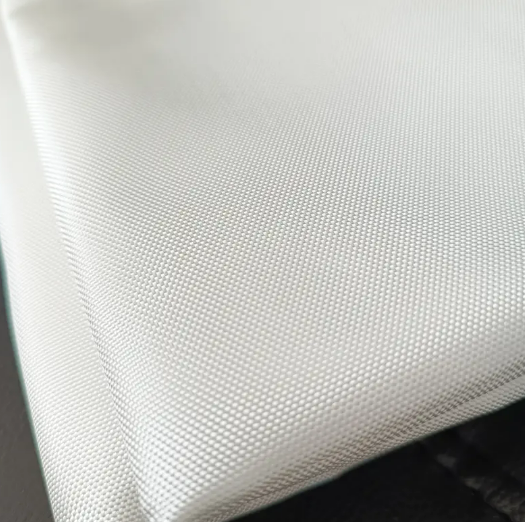
Advanced Applications and Industry Use Cases
Industrial Heat Management
Fiberglass cloth is widely used in furnace linings, high-temperature pipe insulation, and heat shields. Its exceptional thermal stability protects both machinery and personnel from intense heat, minimizing equipment failure and safety risks. The material’s adaptability to extreme thermal environments makes it indispensable in heavy industries, chemical plants, and energy production facilities.
Automotive and Aerospace Applications
In automotive and aerospace sectors, fiberglass cloth is applied in engine heat shields, exhaust covers, and insulation barriers. It prevents heat damage to sensitive components and contributes to overall vehicle and aircraft safety. Coatings further enhance thermal and flame resistance, ensuring performance under rapid temperature fluctuations and prolonged high-heat exposure.
Protective Clothing and Equipment
Fiberglass cloth is integral to firefighting blankets, industrial curtains, and personal protective gear. Its flame-retardant properties shield personnel from fire and high-temperature exposure. When combined with specialized coatings, it provides additional chemical, abrasion, and heat protection, making it essential for worker safety in hazardous environments.
Coated Fiberglass Cloth for Extreme Environments
Silicone, graphite-silicone, aluminum foil, and ceramic coatings customize fiberglass cloth to meet specific industrial, automotive, and aerospace requirements. Selecting the appropriate coating type ensures optimal resistance to heat, flame, and chemical exposure. This versatility allows engineers and safety managers to deploy fiberglass solutions effectively across diverse high-risk applications.
Conclusion
Fiberglass cloth is naturally non-flammable and highly fire-resistant. Proper coatings and careful installation enhance its safety. Compared to other materials, it offers superior protection. Jiahe Taizhou Glass Fiber Co., Ltd. provides high-quality fiberglass cloth that ensures reliable heat and fire performance for industrial and construction applications.
FAQ
Q: Is fiberglass cloth flammable?
A: No, fiberglass cloth is inherently non-flammable. Its silica-based fibers resist ignition and provide excellent fiberglass cloth fire resistance in industrial and construction applications.
Q: What are the flame retardant properties of fiberglass cloth?
A: Fiberglass cloth flame retardant properties include high melting points, thermal stability, and resistance to spreading fire. Coatings like silicone or ceramic enhance safety.
Q: Will fiberglass cloth burn in a fire?
A: Pure fiberglass cloth will not burn in a fire. It does not emit combustible gases, though added coatings or contaminants may produce minor smoke.
Q: How should fiberglass cloth be installed for fire safety?
A: Proper spacing, insulation density, and avoiding flammable materials near fiberglass cloth ensure maximum fire resistance and maintain its protective properties.
Q: How does fiberglass cloth compare to other fabrics in flammability?
A: Compared to cotton, polyester, or nylon, fiberglass cloth offers superior fire resistance and minimal smoke emission, making it safer in high-heat environments.
Q: Can coatings affect the fire resistance of fiberglass cloth?
A: Yes, coatings like silicone, ceramic, and aluminum foil enhance fiberglass cloth fire resistance. Some flammable additives, however, can reduce its effectiveness.
Q: Why is fiberglass cloth used in protective gear?
A: Fiberglass cloth is valued for firefighter apparel, welding blankets, and heat shields due to its flame retardant properties and high-temperature stability.
Q: Is fiberglass cloth a suitable choice for industrial heat applications?
A: Absolutely. Its high melting point and thermal stability make fiberglass cloth ideal for furnace linings, pipe insulation, and heat shields in industrial settings.
Q: Does fiberglass cloth require regular maintenance?
A: Yes, regular inspection for dust, oil residues, or coating degradation is essential. Proper maintenance preserves its fire resistance and ensures long-term safety.
Q: What should I consider when selecting fiberglass cloth products?
A: Consider the intended environment, coating type, and thermal requirements. Selecting the right fiberglass cloth product ensures optimal fire and heat protection.


