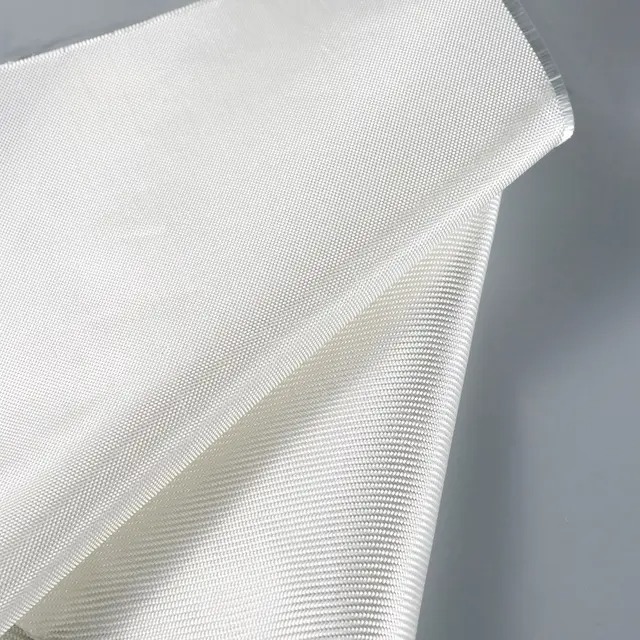
Fiberglass cloth is essential in boats, cars, and sports gear. It adds strength and flexibility to composites. In this article, you will learn the two main types of fiberglass cloth, their uses, and how to choose the right one for your projects.
Overview of Fiberglass Cloth
What is Fiberglass Cloth?
Fiberglass cloth consists of woven or non-woven strands of glass fibers. It reinforces materials in laminations, structural components, or electrical insulation. It is lightweight yet strong, making it ideal for complex shapes and curved surfaces. The weave pattern, strand density, and cloth weight significantly affect its performance in various applications. Fiberglass cloth is also used to cover cores like plywood, foam, or carbon fiber, providing a tough outer surface that resists impacts.
Key Properties of Fiberglass Cloth
Fiberglass cloth exhibits a high strength-to-weight ratio, excellent flexibility, and compatibility with different resins such as epoxy and polyester. E-glass provides transparent finishes when properly applied, whereas s-glass offers higher strength for structural applications. Both types resist corrosion, mold, and environmental damage, making them suitable for marine, automotive, and industrial uses. They also withstand repetitive flexing and stress without cracking or deforming.
Understanding Fiberglass Weaves and Weights
The weave type—plain, twill, or biaxial—impacts both strength and flexibility. Plain weaves are versatile and easy to handle, while twill weaves drape better around complex shapes. Biaxial cloth distributes stress in multiple directions, making it suitable for high-load applications. Cloth weight, measured in ounces per square yard, determines thickness, resin absorption, and overall performance. Lighter cloth is easier to handle and contour, while heavier cloth provides added strength but may reduce clarity in finished surfaces.
The Two Main Types of Fiberglass Cloth
E-Glass Fiberglass Cloth
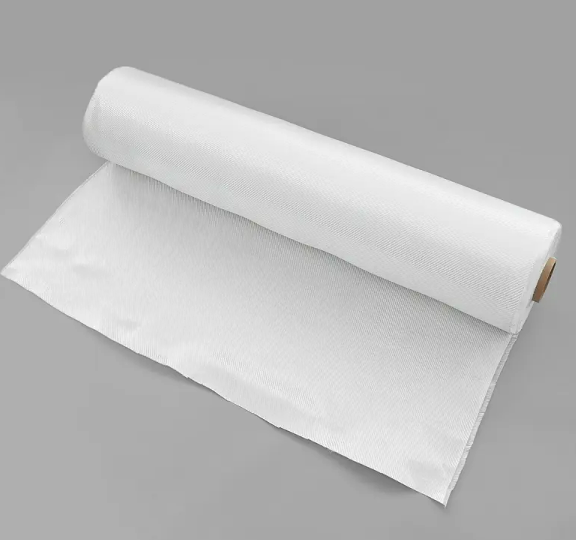
E-glass is the most common fiberglass cloth type, widely used for boats, surfboards, and clear finishes. It is lightweight, easy to work with, and achieves a transparent finish when saturated with resin. E-glass performs well in thin laminations and decorative applications, balancing cost and functionality. It is ideal for projects where clarity and moderate strength are essential, such as canoes, architectural panels, or composite surfaces.
S-Glass Fiberglass Cloth
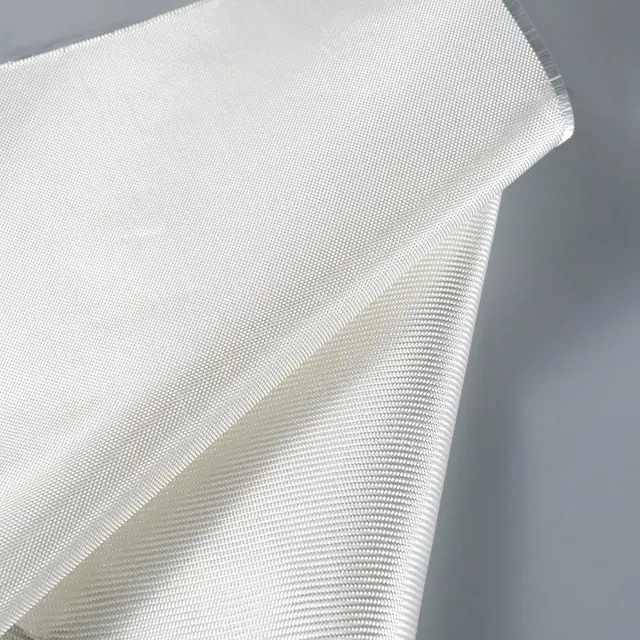
S-glass, known as structural glass, is approximately 30% stronger than e-glass. It features a denser weave and higher strand count, making it ideal for high-strength applications. While slightly less transparent than e-glass, it excels in impact resistance and structural reinforcement. S-glass is commonly used in automotive panels, boat transoms, and high-performance sporting goods, where durability and load-bearing capacity are critical.
Side-by-Side Comparison
Property | E-Glass | S-Glass |
Strength | Moderate | High |
Flexibility | Good | Slightly Stiffer |
Transparency | Excellent | Moderate |
Cost | Lower | Higher |
Typical Applications | Clear finishes, boats, surfboards | Structural components, high-strength panels, impact-resistant parts |
The comparison shows that e-glass is better for lightweight, clear-finish applications, while s-glass is suitable for structural needs. Decision-making involves evaluating the balance of strength, clarity, and cost.
Specialized Fiberglass Cloth Options
Biaxial Fiberglass Cloth
Biaxial cloth distributes load evenly across two directions, providing high strength in structural panels. It is frequently used in automotive fenders, boat hulls, and composite molds. Its cross-directional weave improves impact resistance and reduces flex. It is often layered with e-glass or s-glass to optimize both strength and finish clarity.
Roving and Heavy-Duty Cloths
Roving is thick, strong, and suitable for heavy-duty reinforcement. It is used in hot tubs, pools, or other high-load water structures. While roving provides superior strength as a single layer, it absorbs more resin and is harder to shape around curves. Proper layering and resin application are essential to achieve optimal performance.
Chopped Strand Mat vs Woven Cloth
Chopped strand mat consists of randomly oriented fibers, making it less flexible but more cost-effective. It requires additional resin to fully saturate and cannot form complex contours easily. Woven fiberglass cloth, in contrast, offers consistent strength, better draping, and higher-quality finishes. Choosing between the two depends on shape complexity, desired clarity, and application requirements.
How to Choose the Right Fiberglass Cloth
Evaluating Project Requirements
Selecting the right fiberglass cloth starts with a clear understanding of your project’s needs. Assess strength requirements, weight limitations, shape complexity, and finish clarity. Single thick layers often underperform compared to multiple thin layers applied in staggered directions. Combining e-glass and s-glass allows a balance between transparent finishes and high structural performance, optimizing both aesthetic and functional outcomes.
Compatibility with Resins and Core Materials
Fiberglass cloth must be compatible with both the chosen resin and underlying core material to ensure maximum performance. E-glass works effectively with epoxy and polyester resins for general projects, while s-glass is ideal for high-strength applications. Verify that the resin does not react negatively with cores like foam, plywood, or composite panels before beginning the lamination process.
Budget and Cost Efficiency
Budget considerations are essential when choosing fiberglass cloth. E-glass provides a cost-effective solution for general applications, while s-glass and specialty cloths like biaxial or roving carry higher costs due to their performance advantages. Correct selection reduces resin usage and layer count, minimizing material waste and keeping projects within budget without compromising strength or finish quality.
Practical Tips for Working with Fiberglass Cloth
Cutting, Shaping, and Laminating
Accurate cutting and shaping prevent fraying and ensure uniform resin coverage. Woven cloth drapes naturally around curves, whereas non-woven mats require careful handling to avoid gaps or uneven thickness. Using sharp cutting tools, templates, and edge reinforcement guarantees smooth lamination and reduces waste, improving both efficiency and finished quality.
Layering for Strength and Clarity
Applying multiple thin layers of fiberglass cloth significantly enhances strength and flexibility compared to single thick sheets. E-glass preserves transparency for clear finishes, while s-glass layers add reinforcement for high-stress areas. Properly staggered layers distribute loads evenly and maximize impact resistance, ensuring durability across marine, automotive, and industrial applications.
Minimizing Bubbles and Imperfections
Trapped air bubbles weaken fiberglass and compromise surface clarity. Employ rolling, de-airing, and brushing techniques to remove air pockets and achieve consistent resin saturation. Using ribbed rollers and carefully controlled pressure ensures smooth, professional finishes. Attention to detail during lamination dramatically improves both strength and visual quality.
Applications Across Industries
Marine and Boat Construction
E-glass is widely applied to clear-finish surfaces, decks, and hulls due to its lightweight and transparent properties. S-glass reinforces structural components in high-stress areas, such as bulkheads and transoms. Applying multiple layers on both interior and exterior surfaces reduces flex, distributes loads evenly, and improves impact resistance, ensuring long-term performance even in harsh saltwater and wave-exposed environments.
Surfboards and Sporting Goods
Surfboard construction typically uses 4 oz and 6 oz e-glass layers to achieve an optimal balance of lightness and durability. High-stress areas, like rails and nose sections, benefit from s-glass reinforcement, enhancing resistance to dents, dings, and cracks. Strategic layering of different fiberglass cloth types directly influences board flex, strength, and overall performance, while maintaining a smooth, professional finish for aesthetic appeal.
Automotive and Industrial Uses
S-glass and biaxial cloth are commonly employed to strengthen automotive panels, molds, and industrial components. These materials provide impact resistance, lightweight structural reinforcement, and long-term durability. A carefully designed layering plan ensures maximum strength while minimizing weight, which is especially critical for high-performance vehicles, aerospace parts, and demanding industrial applications where precision and reliability are essential.
Maintaining and Storing Fiberglass Cloth
Storage Considerations
Fiberglass cloth should be stored in a dry, temperature-controlled, UV-protected environment to preserve fiber strength and maintain resin bonding performance. Moisture, direct sunlight, and dust exposure can weaken fibers, reduce adhesion, and compromise lamination quality. Track shelf life for e-glass and s-glass separately, as differences in weave and strand density affect long-term usability.
Handling Best Practices
Careful handling of fiberglass cloth prevents tearing, distortion, or contamination. Always keep material clean and free of dust or debris during transport, cutting, and lamination. Proper handling maintains fiber alignment, ensures even resin absorption, and produces consistently strong, smooth, and visually appealing laminated surfaces suitable for marine, automotive, and industrial projects.
Conclusion
E-glass and S-glass serve unique roles in composites. E-glass suits light, clear finishes, while S-glass offers strength and impact resistance. Jiahe Taizhou Glass Fiber Co., Ltd. provides high-quality fiberglass cloth that ensures durability, efficiency, and professional results in marine, automotive, and industrial projects.
FAQ
Q: What are the two types of fiberglass cloth?
A: The two main types of fiberglass cloth material are E-glass and S-glass. E-glass is lightweight and ideal for transparent finishes, while S-glass provides higher strength for structural and impact-resistant applications.
Q: How do I choose the right fiberglass cloth for my project?
A: Consider project requirements, resin compatibility, and desired strength. Understanding fiberglass cloth types explained helps balance clarity, weight, and durability for marine, automotive, or industrial uses.
Q: What is the difference between woven and non-woven fiberglass cloth?
A: Woven fiberglass cloth has a structured weave for strength and smooth lamination, while non-woven mats offer easy shaping for complex forms. The difference affects resin saturation and project finish.
Q: What are common applications for E-glass and S-glass?
A: E-glass is used for thin laminations and clear finishes, while S-glass strengthens high-stress areas. Fiberglass cloth types and applications cover marine hulls, surfboards, automotive panels, and industrial components.
Q: Why is understanding fiberglass cloth types important?
A: Knowing the difference between woven and non-woven fiberglass cloth ensures correct material selection, maximizes strength, improves transparency, and prevents waste during lamination or structural work.
Q: Is there a cost difference between E-glass and S-glass?
A: Yes, E-glass is generally more affordable and suitable for lightweight projects, whereas S-glass is more expensive due to higher strength and durability for high-performance applications.
Q: Can fiberglass cloth affect resin usage?
A: Yes, the type and weave of fiberglass cloth impact resin absorption. Using the right cloth minimizes excess resin, improves clarity, and ensures proper bonding for long-lasting results.
Q: How do I maintain fiberglass cloth before use?
A: Store in a dry, UV-protected area and handle carefully to avoid contamination. Proper storage preserves fiber integrity and ensures optimal performance during lamination.


