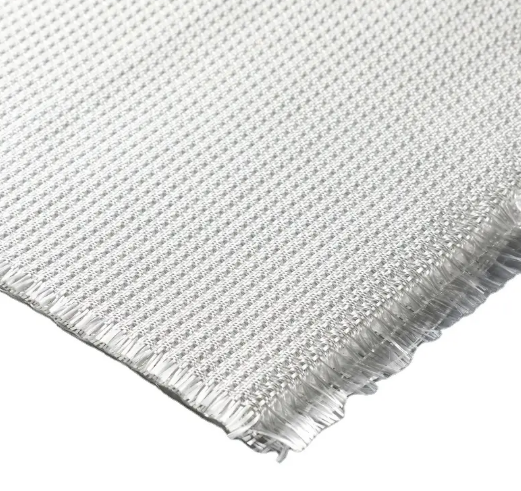
Fibreglass fabric is a strong, lightweight material that combines durability, heat resistance, and flexibility. In this article, we explore its definition, uses, properties, and manufacturing. You will learn how fibreglass fabric applies across various industries and why it has become an essential material for modern engineering and design.
Understanding Fibreglass Fabric
Definition and Core Concept
Fibreglass fabric, sometimes called glass fiber fabric, is made by weaving or knitting fine glass filaments into sheets. It differs from other fiber-reinforced composites due to its uniformity and high mechanical performance. Unlike chopped glass fiber reinforcements, fibreglass fabric offers predictable behavior under stress, which is critical in precision applications.
Its non-flammable, chemical-resistant, and moisture-resistant properties allow it to outperform many traditional fabrics in industrial environments. Applications vary widely, including thermal insulation, structural reinforcement, and electrical insulation.
Composition of Fibreglass Fabric
Fibreglass fabric is made primarily from different types of glass fibers, such as E-glass and S-glass. E-glass offers excellent electrical insulation and cost efficiency, while S-glass provides superior tensile strength and is preferred in high-performance applications. Fibers may be continuous filaments or chopped strands, influencing the fabric's mechanical properties.
The choice of glass type affects thermal resistance, flexibility, and chemical durability. Manufacturers often blend fibers or treat fabrics with coatings to enhance specific performance attributes.
Manufacturing Process Overview
The production of fibreglass fabric starts with melting silica sand and other minerals at extremely high temperatures. Molten glass is extruded through fine bushings to form continuous filaments. These filaments are then wound, twisted, and woven or knitted into fabric forms.
Modern techniques include precise control of filament diameter, fiber orientation, and weaving density. These factors allow customization for specific applications, including insulation blankets, composite reinforcements, and protective gear.
Annotation: A well-controlled manufacturing process ensures consistent fiber diameter, which directly affects the strength and uniformity of the fibreglass fabric.
Variants of Fibreglass Fabric
Fibreglass fabric exists in several forms, including cloth, mat, roving, and specialized hybrid blends. Cloth is typically woven and offers uniform tensile strength, while mat features randomly oriented fibers for isotropic reinforcement. Roving consists of coarser, bundled fibers for high-strength applications.
Weave patterns such as plain and twill affect flexibility and surface conformity. Fiber orientation—unidirectional, bidirectional, or omnidirectional—determines the directional strength, making selection crucial based on the intended use.
Fabric Type | Fiber Orientation | Common Applications |
Cloth | Uni/Bi-directional | Composite panels, heat shields |
Mat | Omnidirectional | Insulation, reinforcement |
Roving | Uni-directional | High-strength laminates |
Hybrid | Mixed | Specialized aerospace, marine parts |
Key Properties of Fibreglass Fabric
Strength-to-Weight Ratio
Fibreglass fabric provides exceptional strength while remaining lightweight. This characteristic is critical for aerospace, automotive, and marine industries, where reducing mass improves fuel efficiency and handling.
Unlike metals, fibreglass fabric maintains structural integrity under high stress without adding significant weight. Its strength-to-weight ratio enables designers to create high-performance components without compromising durability.
Thermal Resistance
The fabric withstands high temperatures without degradation, making it ideal for fireproofing, insulation, and heat shields. Thermal resistance also ensures longevity in industrial applications where exposure to heat is common.
Coatings and laminations can further enhance heat tolerance, allowing fibreglass fabric to function in environments exceeding 1,000°F for short durations.
Chemical and Moisture Resistance
Fibreglass fabric resists most acids, alkalis, and other corrosive substances. It also does not absorb water, maintaining consistent performance in wet or humid conditions.
This chemical and moisture resistance makes it suitable for marine applications, chemical processing plants, and outdoor infrastructure exposed to environmental stressors.
Electrical Insulation
Fibreglass fabric has excellent dielectric properties, allowing it to insulate electrical components effectively. Its performance is reliable even at thin thicknesses, reducing material requirements without compromising safety.
Applications include insulation layers for wiring, circuit boards, and transformers, where reliability and heat tolerance are essential.
Applications Across Industries
Aerospace and Automotive
Fibreglass fabric serves as a critical reinforcement for composite panels, body kits, and lightweight structural components in both automotive and aerospace sectors. Its exceptional strength-to-weight ratio contributes to fuel efficiency and improved vehicle performance. Additionally, the material’s thermal and chemical resistance ensures longevity, even under harsh operational conditions, making it ideal for exposed surfaces such as aircraft fuselages, automotive underbodies, and heat-sensitive engine components. Engineers value fibreglass fabric for its predictable performance, which supports high-stress applications while maintaining safety standards.
Construction and Infrastructure
In construction, fibreglass fabric is widely used for roofing, concrete reinforcement, insulation, and fireproofing. Its integration enhances the structural strength of buildings and bridges while providing long-term thermal and chemical resistance. Lightweight panels and insulation blankets facilitate easier handling and faster installation, reducing labor costs. Moreover, fibreglass fabric’s non-corrosive properties make it particularly useful in environments exposed to moisture, salts, or chemical contaminants, ensuring durability in both residential and industrial construction projects.
Marine and Transportation
Fibreglass fabric plays a vital role in marine applications, including boat hulls, yacht panels, and corrosion-resistant surfaces. Its moisture resistance prevents warping, swelling, or decay, which significantly extends the lifespan of marine vessels. When combined with resin coatings, fibreglass fabric enhances structural rigidity and provides superior protection against saltwater corrosion and UV damage. This combination makes it indispensable for maritime equipment, including pontoons, decks, and high-performance recreational watercraft, where durability and reduced maintenance are crucial.
Sports Equipment
In the sports industry, fibreglass fabric strengthens equipment such as tennis rackets, golf clubs, fishing rods, and high-performance gear. It offers an ideal balance of flexibility and rigidity, enabling superior control while minimizing the risk of breakage or deformation during high-impact use. Its lightweight nature enhances athlete performance by reducing fatigue, while its durability ensures long-term reliability. Manufacturers also utilize fibreglass fabric to optimize aerodynamics and vibration dampening in sporting goods.
Industrial and Electrical Uses
Fibreglass fabric is extensively used in industrial gaskets, protective barriers, and electrical insulation components. Its chemical, thermal, and moisture resistance ensures reliable performance in challenging environments such as chemical plants, power generation facilities, and heavy manufacturing sites. Additionally, its electrical insulating properties make it suitable for wiring insulation, transformer linings, and other high-voltage applications. The fabric’s versatility allows engineers to combine it with other materials to meet specific mechanical or thermal requirements without compromising safety or performance.
Advantages of Fibreglass Fabric
Durability and Longevity
Fibreglass fabric resists wear, chemicals, moisture, and environmental stress, making it highly durable for long-term applications. Components reinforced with fibreglass maintain structural integrity over decades, reducing maintenance frequency and replacement costs. This reliability is particularly important in industries such as aerospace, construction, and marine, where operational downtime is expensive. The fabric’s ability to withstand extreme conditions ensures consistent performance and prevents structural failures.
Lightweight and Strong
Compared to metals like steel and aluminum, fibreglass fabric provides superior tensile strength while remaining lightweight. This combination simplifies handling, reduces transportation costs, and enables more efficient assembly processes. Its high strength-to-weight ratio also allows designers to create complex structures that maintain structural integrity without excessive bulk.
Material | Density (g/cm³) | Tensile Strength (MPa) |
Fibreglass Fabric | 1.8 – 2.0 | 200 – 350 |
Steel | 7.85 | 400 – 550 |
Aluminum | 2.7 | 150 – 250 |
Versatility in Design
Fibreglass fabric can be molded, cut, and shaped into complex geometries without losing strength, making it ideal for automotive body panels, aerospace components, and intricate industrial molds. This adaptability allows manufacturers to innovate designs while maintaining structural integrity. The material can be combined with resins and coatings to further enhance flexibility, abrasion resistance, or fireproofing, depending on the application.
Cost-Effectiveness
Its low maintenance requirements, extended service life, and minimal replacement needs make fibreglass fabric highly cost-effective. Over time, the reduction in repair, downtime, and labor expenses offsets the initial material investment. This economic advantage, combined with its durability and lightweight performance, makes it a preferred choice across multiple industries.
Choosing the Right Fibreglass Fabric
Factors to Consider
When selecting fibreglass fabric, critical factors include weight, weave, fiber orientation, and composition. Each parameter directly influences the material’s strength, flexibility, and environmental performance. Evaluating these factors ensures that the chosen fabric meets operational requirements while optimizing efficiency and safety in its intended application.
Matching Fabric to Application
Fibreglass fabrics should be matched to thermal, chemical, and structural demands. E-glass fabrics provide cost-effective solutions for general applications, while S-glass offers higher strength for critical aerospace or high-performance sporting uses. Aligning fabric type with operational conditions minimizes failure risks and improves component lifespan.
Performance Comparisons
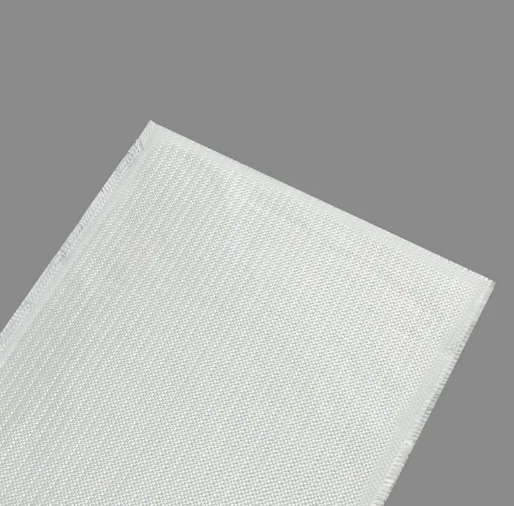
Plain weave fabric offers rigidity suitable for flat surfaces, whereas modified twill provides enhanced flexibility for curved or contoured parts. Fiber orientation—uni-, bi-, or omnidirectional—affects directional strength and stress distribution. Proper selection ensures optimal mechanical performance under specific load conditions.
Common Mistakes to Avoid
Common errors include over- or under-reinforcement, incorrect fiber orientation, and inadequate curing. Such mistakes can compromise structural integrity, leading to premature failure, increased maintenance, or higher lifecycle costs. Careful planning, specification review, and quality control are essential to avoid these pitfalls.
Maintenance and Longevity Tips
Handling and Storage
Proper handling and storage prevent fraying, contamination, and moisture absorption. Fibreglass fabric should be kept in dry, temperature-controlled conditions, away from UV exposure and mechanical stress. Storing it correctly preserves its mechanical and thermal properties for long-term use.
Fabric Treatment Options
Treatments such as heat curing, coating, or lamination can enhance chemical, thermal, and abrasion resistance. Coatings also reduce fraying and improve dimensional stability during fabrication. Applying these treatments strategically extends the fabric’s performance lifespan in demanding environments.
Repair and Reinforcement
Minor damage to fibreglass fabric can be repaired using compatible resins or overlay fabrics. Reinforcement techniques restore mechanical integrity and prevent further degradation, ensuring continued reliability without complete replacement.
Environmental and Safety Considerations
Non-Flammability and Fire Safety
Fibreglass fabric is inherently non-flammable, making it an excellent choice for fire-resistant designs across multiple industries. It does not emit toxic smoke or hazardous gases when exposed to high temperatures, ensuring both worker safety and end-user protection. This property is especially valuable in industrial, marine, and construction environments where fire hazards are prevalent. Incorporating fibreglass fabric into insulation, panels, or protective barriers reduces fire propagation risks and contributes to safer building and manufacturing practices.
Environmental Impact
Fibreglass fabric offers environmentally responsible options due to its potential for recycling and reuse in specific applications. Reprocessing scrap material into new composite products or using it in secondary insulation layers reduces landfill waste. Moreover, manufacturers adopting sustainable handling practices, such as energy-efficient production and reduced chemical usage, further lower the ecological footprint. Selecting fibreglass fabric from suppliers committed to environmental compliance helps companies meet regulatory standards and demonstrates corporate responsibility in reducing industrial waste.
Worker Safety
Handling fibreglass fabric safely requires appropriate personal protective equipment, including gloves, dust masks, long sleeves, and eye protection, to prevent skin irritation and respiratory issues. Dust control through proper ventilation and dust collection systems is critical during cutting, sanding, or fabric treatment processes. Training workers on safe handling practices and hygiene protocols minimizes exposure risks and ensures adherence to occupational safety regulations. Consistent implementation of these measures maintains a healthy workforce while reducing potential liability and enhancing operational safety standards.
Conclusion
Fibreglass fabric is a durable, lightweight material with high strength and thermal resistance. It excels in aerospace, automotive, marine, construction, and industrial applications. Choosing the right type and treatment ensures performance and cost efficiency. Jiahe Taizhou Glass Fiber Co., Ltd. offers high-quality fibreglass fabrics that provide long-term reliability and enhanced durability, delivering significant value for demanding industrial and commercial projects.
FAQ
Q: What is fibreglass fabric?
A: Fibreglass fabric is a woven or knitted textile made from fine glass fibers. It combines high strength, durability, and heat resistance, making it ideal for industrial and commercial applications.
Q: What is fibreglass fabric used for?
A: Fibreglass fabric is used in aerospace, automotive, marine, construction, sports equipment, and electrical insulation. It reinforces composites, provides thermal resistance, and enhances structural durability.
Q: What is the fibreglass fabric definition?
A: The fibreglass fabric definition describes it as a lightweight, high-strength material made from E-glass or S-glass fibers. It is valued for mechanical, thermal, and chemical performance.
Q: What are the composition and properties of fibreglass fabric?
A: Fibreglass fabric composition includes continuous or chopped glass fibers. Key properties include strength-to-weight ratio, heat resistance, moisture resistance, chemical resilience, and electrical insulation.
Q: What types of fibreglass fabric are available?
A: Fibreglass fabric types include cloth, mat, roving, and specialized blends. Weaves vary from plain to twill, and fiber orientation can be unidirectional, bidirectional, or omnidirectional.
Q: Why choose fibreglass fabric over other materials?
A: Fibreglass fabric offers lightweight strength, chemical and thermal resistance, durability, and design versatility. It reduces maintenance costs and supports long-term industrial use.
Q: How do I select the right fibreglass fabric?
A: Choose based on fabric weight, weave, fiber direction, and application requirements. Consider thermal exposure, chemical resistance, and structural demands for optimal performance.
Q: Is fibreglass fabric cost-effective?
A: Yes, fibreglass fabric’s long service life, low maintenance, and durability make it a cost-effective choice compared to steel or other reinforced composites.
Q: How should fibreglass fabric be maintained?
A: Store in dry, controlled environments to prevent fraying or moisture absorption. Treatments like coating or lamination enhance resistance and extend the material’s lifespan.
Q: What are common mistakes when using fibreglass fabric?
A: Over- or under-reinforcement, incorrect fiber orientation, and insufficient curing can reduce performance. Proper handling and application ensure durability and safety.


