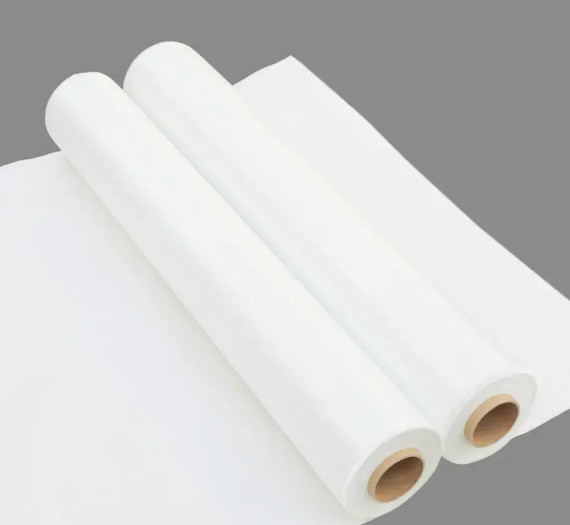
Ever wondered what keeps electronics reliable? Electronic fiberglass cloth is at the heart of modern PCBs, providing insulation, mechanical strength, and thermal stability. In this article, you will learn its key properties, applications, and practical selection guidelines to optimize performance and durability.
Key Properties and Material Characteristics of Electronic Fiberglass Cloth
Electrical Insulation Performance
The dielectric strength of electronic fiberglass cloth determines its ability to resist electrical breakdown. High-quality materials prevent leakage currents, ensuring PCB reliability. Breakdown voltage varies among grades, making it essential to match insulation properties to specific applications. In high-voltage circuits, even minor inconsistencies can lead to device failure, making precise material selection crucial.
Thermal and Chemical Resistance
Electronic fiberglass cloth withstands extreme temperatures, often exceeding 200°C for continuous operation. Its chemical stability resists solvents, acids, and other harsh agents, ensuring durability in aggressive environments. Thermal resistance also supports high-speed soldering processes without deformation or delamination. Chemical resistance enhances device longevity, particularly in automotive and aerospace applications.
Mechanical Strength and Flexibility
Tensile strength, tear resistance, and weave density define mechanical performance. The material balances rigidity and flexibility, providing structural reinforcement without compromising ease of handling. Woven patterns affect load distribution and laminate adhesion, critical for multilayer boards. High mechanical strength minimizes warping and cracking during thermal cycling.
Purity and Material Consistency
Contaminant-free fibers are vital for maintaining electrical performance and long-term reliability. Consistent yarn diameter and weave uniformity reduce signal interference in high-frequency circuits. Precision in manufacturing ensures reproducible properties across batches. Material consistency supports automated assembly and reduces defect rates in complex electronics.
Common Specifications and Variants
Standard Electronic Fiberglass Cloth Grades
Common grades include 7628, 2116, and 1080, each offering different weave densities and yarn thickness. Higher density fabrics provide improved insulation and mechanical reinforcement. Grade selection depends on application, whether for consumer electronics, aerospace, or high-frequency circuits. Understanding grade differences allows designers to optimize performance and cost.
Thickness, Weave Patterns, and Weft/Warp Ratios
Cloth thickness influences lamination uniformity, thermal conductivity, and mechanical rigidity. Weft and warp ratios determine dimensional stability and tensile strength. Fine weaves support high-density circuit designs, while coarser weaves offer cost advantages for lower-performance applications. Correct combinations of thickness and weave pattern prevent warping and improve manufacturing yield.
Impregnated vs. Non-Impregnated Cloth
Pre-impregnated fabrics, known as prepregs, include resin layers that simplify lamination. They enhance adhesion, mechanical strength, and electrical insulation. Raw cloth offers flexibility for custom resin formulations but requires additional processing steps. Choice depends on production method, cost considerations, and intended application.
Grade | Weave | Thickness (mil) | Typical Use |
7628 | Plain | 3.5–4.0 | Multilayer PCBs |
2116 | Twill | 3.2–3.8 | High-frequency circuits |
1080 | Satin | 4.0–5.0 | Aerospace insulation |
7628 prepreg | Plain | 3.5 | Laminated PCBs |
Manufacturing and Production Processes
Glass Fiber Yarn Production
The production of electronic fiberglass cloth begins with melting raw glass to form fine filaments. These filaments are twisted into yarns of uniform diameter, ensuring consistent electrical insulation and mechanical performance across all batches. Yarn quality directly affects the dielectric properties of the finished cloth, as variations or impurities can compromise PCB reliability. Uniformity in filament diameter, tension control during twisting, and precise handling are essential to maintain consistent tensile strength and prevent weak points that may lead to failure in high-voltage or high-frequency applications. Advanced production lines often incorporate automated monitoring to detect inconsistencies in real-time, reducing defects and improving yield.
Weaving Techniques
Weaving techniques determine both the mechanical and electrical characteristics of electronic fiberglass cloth. Air-jet weaving enables high-speed production of tightly woven fabrics, which are ideal for high-frequency circuits due to their uniform dielectric properties and minimal signal interference. Shuttle weaving, on the other hand, produces heavier fabrics suitable for structural reinforcement in aerospace and electric vehicle battery insulation applications. The choice of weaving method also impacts dimensional stability, flexibility, and lamination behavior during PCB manufacturing. Weave patterns, thread count, and tension during production must be carefully controlled to achieve consistent electrical and mechanical performance across large rolls of cloth, ensuring reliable end-use applications.
Coating and Impregnation Processes
Coating and impregnation significantly enhance the properties of electronic fiberglass cloth. Surface coatings improve dielectric strength, thermal stability, and resistance to moisture, chemicals, and oxidation. Resin impregnation further enhances adhesion for multilayer laminates, ensuring layers bond properly during lamination processes. Thermal stabilization minimizes shrinkage during soldering or high-temperature assembly, preventing delamination or mechanical stress in finished PCBs. Uniformity in resin distribution and precise curing processes are critical for consistent electrical performance. Advanced treatments, including hybrid resin systems and nanocoatings, also improve high-frequency performance and environmental durability, making the cloth suitable for aerospace and telecommunications applications.
Quality Control and Testing
Stringent quality control ensures that electronic fiberglass cloth meets all electrical, thermal, and mechanical specifications. Each batch undergoes testing for dielectric strength, thermal resistance, tensile strength, and dimensional stability. Automated inspection systems detect inconsistencies in weave density, filament alignment, or resin coverage, reducing defective output. By validating material performance before shipment, manufacturers prevent costly failures in high-tech electronics production. Detailed traceability of production parameters supports compliance with industry standards, ISO certifications, and aerospace-grade requirements. Regularly updating testing protocols ensures that emerging high-performance applications, such as 5G electronics or EV battery insulation, are adequately supported.
Applications in Electronics and High-Tech Industries
Printed Circuit Boards (PCBs)
Electronic fiberglass cloth provides both structural reinforcement and electrical insulation for multilayer PCBs. Correct grade selection affects signal integrity, dimensional stability, and long-term performance in high-speed or high-density designs. Prepreg versus raw cloth selection influences lamination quality, adhesion, and manufacturing efficiency. High-quality cloth minimizes warping, reduces signal interference, and withstands thermal cycling during soldering and assembly. Engineers must consider fabric density, weave type, and thickness to match the operational requirements of complex electronic devices, ensuring reliability and consistency across production runs.
High-Frequency and Aerospace Electronics
Materials with low dielectric constants and excellent thermal stability are essential for RF circuits and avionics insulation. Electronic fiberglass cloth material for high‑frequency circuits reduces signal loss and prevents electromagnetic interference, critical in aerospace applications. The fabric withstands repeated thermal cycling, vibration, and extreme environmental conditions without degradation. Proper selection ensures compliance with rigorous aerospace standards and minimizes maintenance or replacement needs. Advanced cloth variants with hybrid coatings and precise weave patterns are increasingly used in avionics, satellite electronics, and high-speed communication systems.
Electric Vehicles and Battery Insulation
Electronic fiberglass cloth plays a vital role in insulating high-voltage battery packs and wiring systems in electric vehicles. It provides mechanical reinforcement and thermal barriers that prevent short circuits and mitigate fire risks. Applying principles of choosing electronic grade fiberglass cloth for aerospace electronics ensures durability and safety under extreme operating conditions. The cloth maintains electrical integrity across wide temperature ranges, withstands vibration, and supports high-current applications. Proper integration into EV battery modules improves reliability, device longevity, and compliance with safety regulations.
Telecommunications and High-Performance Devices
High-performance devices such as 5G modules, IoT devices, and high-speed electronics rely on electronic fiberglass cloth for low-loss insulation and signal integrity. Its use in critical components reduces crosstalk, maintains dimensional stability, and enhances long-term reliability. Correct material selection impacts thermal performance, resistance to environmental stress, and regulatory compliance. Advanced electronic grade fabrics with specialized coatings support miniaturization and high-frequency circuit designs, ensuring consistent performance in telecommunications, networking, and consumer electronics applications.
Comparative Analysis and Selection Guidelines
Performance vs. Cost Trade-offs
Balancing electrical, thermal, and mechanical requirements with cost is crucial for efficient production. Higher-grade fabrics provide superior performance but often at increased expense. Designers must assess long-term reliability benefits against initial cost, considering failure prevention, reduced rework, and operational safety. Strategic grade selection ensures cost-effective manufacturing without compromising device integrity. A careful analysis of application requirements, environmental stresses, and budget constraints allows companies to optimize performance while managing expenses.
Choosing the Right Grade for Specific Applications
Selecting the appropriate grade requires mapping material properties to application needs, such as multilayer PCBs, aerospace insulation, or high-frequency circuits. Prepreg 2116 or 7628 fabrics are suitable for multilayer PCBs, while satin weaves or hybrid fabrics are ideal for aerospace insulation layers. How to select electronic fiberglass cloth for PCBs involves evaluating dielectric properties, thermal performance, and mechanical strength. Using a structured decision matrix ensures consistency, optimizes device performance, and reduces risk of failure in demanding applications.
Emerging Trends in Electronic Fiberglass Cloth
The industry is evolving towards thinner, flexible fabrics that enable miniaturization and higher-density circuit designs. Advanced coatings enhance dielectric and thermal properties, while hybrid composites and nanocoatings increase reliability in aerospace and high-frequency electronics. These developments allow designers to create lighter, more compact devices without compromising performance. Research into eco-friendly resin systems and high-precision weaves further improves material sustainability and manufacturing efficiency.
Sustainability Considerations
Sustainable manufacturing practices are gaining traction, with recyclable and eco-friendly fiberglass cloth options increasingly available. Manufacturers adopt energy-efficient processes, reduce waste, and implement environmentally responsible coatings. These materials meet regulatory requirements while maintaining high electrical, thermal, and mechanical performance. Integrating sustainable options ensures long-term supply chain resilience and supports corporate responsibility initiatives, particularly in industries with strict environmental compliance standards.
Industry Outlook and Future Developments
Market Growth and Demand Drivers
Electronic fiberglass cloth demand is growing across aerospace, automotive, telecommunications, and high-tech sectors. The expansion of electric vehicles, 5G infrastructure, and IoT devices drives increased adoption of high-performance fabrics. Market trends favor materials that combine excellent electrical insulation, mechanical strength, and thermal stability. Emerging technologies require precision fabrics to support miniaturization, high-frequency performance, and long-term durability in harsh environments.
Technological Innovations
Innovations such as new fiber treatments, hybrid composites, and nanocoatings enhance fabric performance. Miniaturization trends demand thinner, more flexible fabrics for complex device architectures. Dielectric properties are improved for high-speed signal integrity, while thermal stability supports higher operating temperatures. These technological advancements provide opportunities for designers to optimize device efficiency, reduce weight, and extend product lifespan across aerospace, automotive, and consumer electronics sectors.
Challenges and Supply Chain Factors
Production faces challenges from supply chain disruptions, material shortages, and quality variability. Manufacturers address risks through diversified sourcing, stringent quality control, and inventory management. Understanding potential bottlenecks and lead times is critical for long-term planning. Strategic partnerships with reliable suppliers and adherence to international standards ensure consistent material availability and performance for high-demand applications.
Practical Tips for Implementation and Optimization
Material Handling Best Practices
Proper storage is essential to prevent contamination, mechanical damage, or moisture absorption. Cutting, lamination, and handling procedures must preserve fiber integrity and prevent warping or fraying. Training personnel in best practices reduces defects and enhances production yield. Consistent handling safeguards electrical insulation and mechanical strength, supporting reliable device performance.
Integration into PCB and Device Manufacturing
Laminating fiberglass cloth with suitable resins ensures uniform adhesion and consistent electrical properties. Bonding methods, curing profiles, and temperature control directly affect PCB and device reliability. Prepreg materials simplify assembly but require precise process monitoring to prevent voids or delamination. Correct integration maximizes long-term performance and minimizes rework or failure in critical electronics applications.
Maintenance and Inspection
Regular inspections of laminated boards and assemblies maintain electrical and mechanical performance within specifications. Early identification of defects, such as delamination or weak adhesion, prevents downstream failures. Documenting process controls and inspection results supports traceability, quality assurance, and continuous improvement. Routine maintenance ensures devices maintain reliability over extended service periods and under demanding environmental conditions.
Conclusion
Electronic fiberglass cloth ensures reliable, high-performance electronics. It offers insulation, thermal stability, and strength for PCBs, aerospace, EVs, and high-frequency devices. Proper grade selection and handling improve device safety and efficiency. Jiahe Taizhou Glass Fiber Co., Ltd. provides high-quality fiberglass cloth that enhances performance and durability, supporting advanced electronics and sustainable manufacturing.
FAQ
Q: What is electronic fiberglass cloth?
A: Electronic fiberglass cloth is a high-performance material used in electronics for insulation, mechanical strength, and thermal stability. It is essential in PCBs, aerospace, and high-frequency applications.
Q: What are the key electronic grade fiberglass cloth applications?
A: It is widely used in multilayer PCBs, aerospace insulation layers, EV battery packs, and high-speed telecommunications devices. Its properties ensure reliability and safety under extreme conditions.
Q: How to select electronic fiberglass cloth for PCBs?
A: Consider dielectric strength, thermal resistance, and mechanical properties. Grades like 2116 or 7628 prepregs are ideal for multilayer boards, balancing performance with manufacturing efficiency.
Q: Why is electronic fiberglass cloth material for high-frequency circuits important?
A: Low dielectric constants and uniform weave minimize signal loss and interference. High-frequency circuits demand consistent insulation to maintain signal integrity and device reliability.
Q: What factors matter when choosing electronic grade fiberglass cloth for aerospace electronics?
A: Thermal stability, vibration resistance, and chemical durability are critical. Selecting appropriate grades ensures insulation layers withstand harsh aerospace environments without degradation.
Q: How does electronic fiberglass cloth compare to standard fiberglass fabrics?
A: It offers superior electrical insulation, higher thermal stability, and finer weave precision. Standard fiberglass may not meet high-frequency or aerospace requirements.
Q: What are common specifications of electronic fiberglass cloth?
A: Typical grades include 7628, 2116, and 1080. Differences lie in weave density, thickness, and prepreg options, which influence mechanical strength and insulation performance.
Q: How can I troubleshoot issues with electronic fiberglass cloth in PCBs?
A: Inspect for uniform weave, resin impregnation, and contamination. Improper handling or inconsistent material can cause delamination or electrical failure.
Q: Is electronic fiberglass cloth cost-effective for high-tech applications?
A: While premium grades are more expensive, they reduce failure rates and improve long-term reliability. Strategic selection balances cost with performance for high-end electronics.
Q: Can electronic fiberglass cloth support sustainable manufacturing?
A: Yes, recyclable and eco-friendly variants exist. Manufacturers can adopt energy-efficient processes without compromising electrical or mechanical properties.


