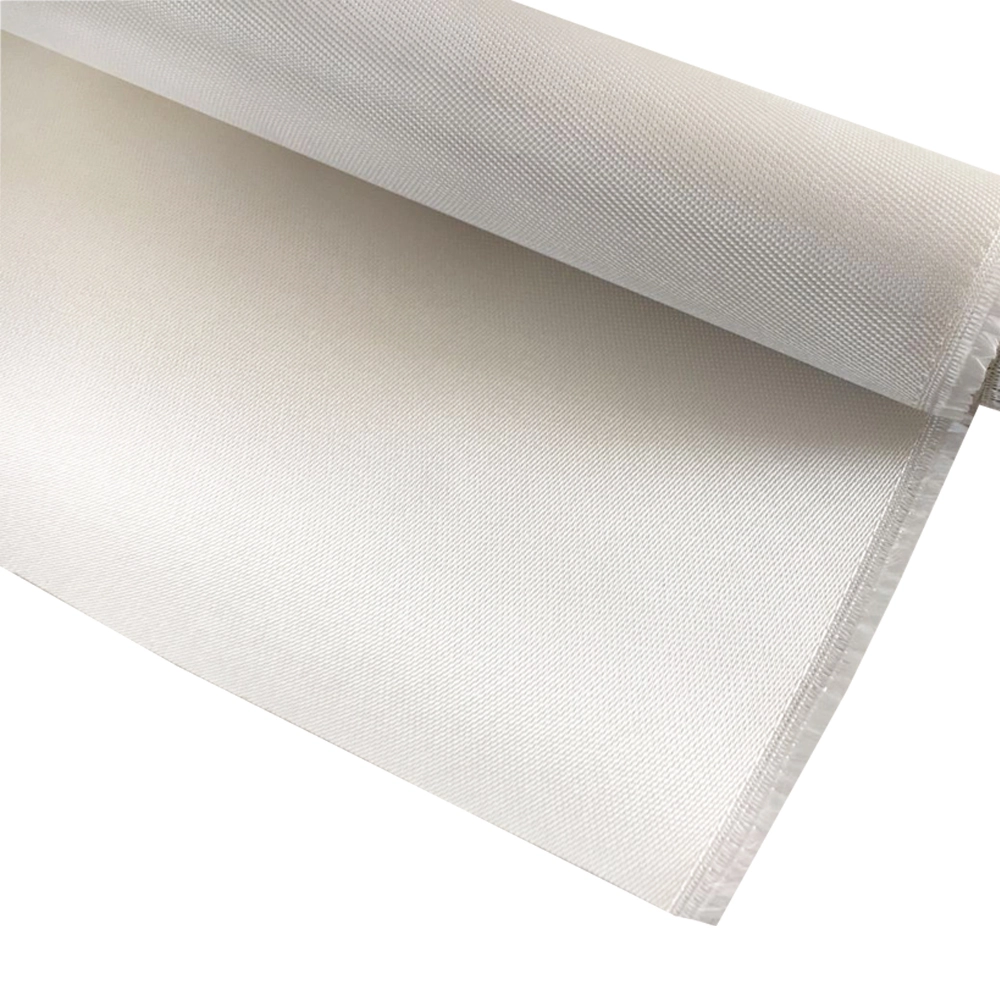
Ever wonder what makes some fabrics withstand extreme heat? High silica fabric is the answer. It offers unmatched heat resistance for tough environments.In this post, you’ll learn what high silica fabric is made of and why it’s vital for heat protection. We’ll also explore its key uses across industries.
What Is High Silica Fabric Made Of?
High silica fabric is primarily made from raw materials rich in silica, such as white sand and residual quartz. These natural sources contain a high percentage of silicon dioxide (SiO2), typically equal to or greater than 96%. This high silica content is crucial because it imparts the fabric with its exceptional heat resistance and durability.

Primary Raw Materials: White Sand and Residual Quartz
White sand and residual quartz are the main starting points for producing silica fibers. Unlike regular sand, which contains various minerals, these materials are prized for their purity and high silica content. This ensures that the resulting silica fiber cloth maintains consistent quality and performance, especially in demanding high-temperature environments.
Silica Content and Its Significance (≥96% SiO2)
The silica content in high silica fabric is generally above 96% SiO2. This purity level is essential because it directly affects the fabric’s thermal properties. High silica content leads to a low thermal expansion coefficient, meaning the fabric does not expand or deform significantly when exposed to extreme heat. This characteristic makes high silica cloth ideal for applications such as welding blankets and high-temperature insulation.
Role of Silica Fibers in Fabric Structure
Silica fibers form the backbone of the fabric. These fibers are spun from molten silica derived from the raw materials. The fibers are then woven into a high silica fiberglass fabric or woven silica fabric. The result is a textile that combines strength, flexibility, and outstanding heat resistance. Silica fiber cloth is especially valued for its ability to maintain structural integrity under thermal stress.
Inclusion and Purpose of Glass Fibers
In some high silica fabrics, a small percentage of glass fibers is incorporated. These glass fibers enhance the mechanical strength and abrasion resistance of the fabric without compromising its heat resistance. The blend of silica and glass fibers creates a more robust material that withstands mechanical wear, making it suitable for industrial uses like silica welding fabric and protective covers.
Manufacturing Process: From Sand to Fibers to Fabric
The manufacturing process begins by melting the high silica raw materials at extremely high temperatures to produce a glass melt. This melt is then extruded into fine fibers. These fibers undergo weaving, often using plain or twill patterns, to create the silica cloth or high silica fiberglass fabric. Some manufacturers apply coatings or treatments during or after weaving to improve durability and resistance to molten metal splashes or abrasion.
Differences Between Regular Silica and Amorphous Silica Fabrics
Regular silica fabric is made from crystalline silica fibers, offering excellent heat resistance up to about 1000°C (1832°F). Amorphous silica fabric, however, is produced by leaching out impurities to create non-crystalline fibers. This amorphous structure allows the fabric to endure even higher temperatures, sometimes reaching 1400°C (2552°F) briefly. Amorphous silica fabric also tends to have better thermal insulation properties.
Coatings and Treatments to Enhance Fabric Performance
To further enhance performance, high silica fabrics often receive surface coatings such as silicone or vermiculite. These coatings improve resistance to molten metal splashes, sparks, and abrasion. They also enhance the fabric’s lifespan in harsh industrial environments. Coated silica fabrics are widely used in welding curtains, insulation blankets, and fire-resistant clothing.
Properties of High Silica Fabric
High silica fabric stands out for a unique combination of properties that make it indispensable across heat-intensive industries. Its composition, primarily silica fibers with occasional glass fiber inclusions, delivers a fabric that balances heat resistance, durability, and flexibility.
Exceptional Heat Resistance and Temperature Thresholds
One of the most remarkable features of high silica fabric is its ability to withstand extreme temperatures. Regular high silica cloth can endure continuous operating temperatures up to 1000°C (1832°F) without losing structural integrity. Some specialized amorphous silica fabrics tolerate even higher peaks, briefly reaching temperatures around 1400°C (2552°F). This makes silica fiber cloth ideal for welding blankets, furnace curtains, and other applications exposed to intense heat.
Low Thermal Expansion and Its Benefits
High silica fabric exhibits a very low coefficient of thermal expansion. This means it expands minimally when exposed to heat, maintaining dimensional stability. This property prevents warping or cracking under thermal cycling, which is common in industrial processes. The low expansion also helps maintain consistent insulation and protective performance over time, reducing maintenance needs.
Abrasion and Chemical Resistance
Durability is another key advantage. The woven silica fabric structure resists abrasion from mechanical wear and tear, making it suitable for rugged environments. Additionally, the fabric’s chemical inertness shields it from degradation by acids, alkalis, and solvents often encountered in industrial settings. This combination ensures long service life even under harsh conditions.
Flexibility and Mechanical Strength
Despite its toughness, high silica fiberglass fabric remains flexible and easy to handle. This flexibility allows it to be cut, sewn, or shaped into various forms without compromising strength. The inclusion of glass fibers in some variants enhances mechanical strength and abrasion resistance, making the fabric robust yet pliable enough for protective clothing and insulation blankets.
Electrical Insulation and Thermal Conductivity
High silica fabric also offers excellent electrical insulation properties, making it suitable for applications requiring non-conductive heat barriers. Its low thermal conductivity helps minimize heat transfer, improving energy efficiency in thermal insulation systems. These combined properties are especially valuable in electrical and industrial sectors.
Comparison Between High Silica Fabric and Other Heat-Resistant Materials
High Silica Fabric vs. Fiberglass: Composition and Performance
High silica fabric and fiberglass are both used in heat-resistant applications, but their compositions differ significantly. High silica fabric contains over 96% silicon dioxide (SiO₂), derived from natural sources like white sand and residual quartz. This high silica content grants it exceptional heat resistance, withstanding continuous temperatures up to 1000°C (1832°F) and short-term spikes near 1400°C (2552°F).Fiberglass, by contrast, is a synthetic fiber made from a blend of silica and other minerals, with a lower silica content. It typically endures temperatures up to around 540°C (1004°F). While fiberglass offers good insulation and strength, it cannot match the thermal endurance of high silica fabric. Additionally, high silica fabric exhibits superior abrasion resistance and dimensional stability under heat, making it more durable in harsh environments.
Advantages Over Traditional Insulation Materials
Compared to traditional insulation materials such as asbestos, mineral wool, or ceramic fibers, high silica fabric offers several distinct benefits:
Non-toxic and asbestos-free: High silica fabric poses fewer health risks.
Lower thermal expansion: It maintains shape and size under heat, reducing cracking.
Better chemical resistance: It withstands acids, alkalis, and solvents effectively.
Flexibility and ease of handling: It can be cut and sewn into protective gear and insulation blankets.
Longer lifespan: Its durability reduces replacement frequency and maintenance costs.
These advantages make high silica cloth a preferred choice for industrial insulation, welding curtains, and fire-resistant clothing.
Amorphous Silica Fabric Compared to Crystalline Silica Fabric
High silica fabrics exist in two main forms: crystalline and amorphous silica fabrics. Crystalline silica fabrics are made from fibers with a defined crystal structure. They offer excellent heat resistance up to about 1000°C (1832°F) and good mechanical strength.Amorphous silica fabric, however, is produced by leaching out impurities to create non-crystalline fibers. This structure allows it to tolerate even higher temperatures briefly, up to 1400°C (2552°F). It also provides better thermal insulation and lower thermal conductivity. Amorphous silica fabrics are often softer and easier to process, making them suitable for specialized applications like fireproof clothing and high-temperature insulation blankets.
Environmental and Safety Considerations
High silica fabric is environmentally friendly compared to many traditional heat-resistant materials. It is made from abundant natural silica without asbestos or harmful additives. Its long service life reduces waste and the need for frequent replacements.From a safety standpoint, high silica fabric does not release hazardous fibers during use, unlike some fiberglass or asbestos products. This property makes it safer for workers handling the material. Additionally, coatings like silicone can be applied to enhance resistance to molten metal splashes and sparks, further improving workplace safety.
Applications of High Silica Fabric
High silica fabric is a versatile material widely used across industries that demand exceptional heat resistance and durability. Its unique composition and properties make it ideal for various applications where safety, insulation, and protection against extreme temperatures are paramount.
Protective Clothing and Fire-Resistant Gear
One of the most critical uses of high silica fabric is in protective clothing. Firefighters, welders, and industrial workers rely on silica cloth for fire-resistant gear such as jackets, gloves, and blankets. The fabric’s ability to withstand temperatures up to 1000°C (1832°F) continuously, and even higher in amorphous forms, ensures reliable protection against burns and sparks. Coated versions, often treated with silicone, enhance resistance to molten metal splashes, making silica welding fabric a trusted choice in welding curtains and fire blankets.
Industrial Insulation and Thermal Barriers
High silica fiberglass fabric is extensively used to insulate equipment and create thermal barriers in factories and plants. Its low thermal conductivity and minimal thermal expansion help maintain temperature control around furnaces, boilers, and pipelines. Woven silica fabric blankets and pads protect machinery from heat damage while improving energy efficiency. The fabric’s abrasion and chemical resistance ensure durability in harsh industrial environments.
Use in Aerospace and Automotive Heat Shields
In aerospace and automotive sectors, high silica fabric serves as a heat shield material. It protects engines, exhaust systems, and sensitive components from extreme heat exposure. The fabric’s lightweight nature combined with thermal stability makes it suitable for lining engine compartments or shielding spacecraft parts during re-entry. High silica fiberglass fabric helps reduce heat transfer, improving overall system performance and safety.
Construction Materials: Silica Bricks and Refractory Uses
Beyond textiles, high silica materials contribute to construction, especially in refractory applications. Silica bricks, made from high purity silica, withstand continuous temperatures exceeding 1400°C (2552°F). These bricks line coke ovens, glass furnaces, and other high-temperature chambers. The fabric form is also used as a protective layer during installation or maintenance of refractory structures, providing flexibility and heat resistance.
Energy Sector Applications: Power Plants and Nuclear Facilities
The energy sector benefits from high silica fabric in insulation and protective roles within power plants and nuclear facilities. It shields turbines, reactors, and piping systems from extreme heat, ensuring operational safety and efficiency. The fabric’s chemical inertness and electrical insulation properties add layers of protection critical in these sensitive environments.
Manufacturing Techniques and Quality Control
Extraction and Purification of High Silica Raw Materials
The manufacturing of high silica fabric begins with sourcing high-purity raw materials, primarily white sand and residual quartz. These natural minerals contain silica content of 96% or more, essential for producing fibers with superior heat resistance. The extraction process involves carefully mining these materials to avoid contamination. After extraction, purification steps remove impurities such as iron oxides and other minerals that could weaken the fabric or reduce its thermal stability. This ensures the silica raw materials meet strict quality standards required by silica fabric manufacturers.
Fiber Production and Weaving Methods
Once purified, the high silica raw materials are melted at extremely high temperatures, often nearing 1700°C. This molten silica is then drawn into fine fibers through a controlled extrusion process. These fibers form the base for high silica fiberglass fabric or woven silica fabric. Weaving techniques, such as plain or twill weaves, are applied to create fabrics that balance flexibility, strength, and thermal resistance. The weaving process is critical—an even, tight weave enhances abrasion resistance and heat protection. Some manufacturers blend a small percentage of glass fibers to improve mechanical strength without compromising heat resistance.
Coating Technologies for Enhanced Durability
To boost performance, high silica fabrics often receive specialized coatings. Silicone coatings are common, providing excellent resistance against molten metal splashes, sparks, and abrasion. Vermiculite coatings can also be applied to improve fire resistance and thermal insulation. These treatments extend the fabric’s lifespan, especially in harsh industrial environments like welding or metal processing. Coated silica welding fabric is widely used in protective curtains and blankets, where durability is paramount. The coating process requires precision to maintain fabric flexibility while enhancing protective properties.
Standards and Testing for Heat Resistance and Safety
Quality control in high silica fabric manufacturing adheres to stringent standards. Fabrics undergo testing for continuous heat resistance, often certified to withstand 1000°C (1832°F) without degradation. Some amorphous silica fabrics are tested for brief exposure to temperatures up to 1400°C (2552°F). Additional tests measure thermal expansion, abrasion resistance, and chemical stability. Safety certifications ensure the fabric is free from hazardous substances like asbestos and meets fire-retardant regulations. Manufacturers also perform durability tests to simulate real-world conditions, guaranteeing consistent product performance. These rigorous checks assure end-users of reliable and safe materials.
Future Trends and Innovations in High Silica Fabric
The high silica fabric industry is evolving rapidly, driven by advances in material science and growing demand for better heat-resistant solutions. Manufacturers and researchers are continually pushing the boundaries of performance, durability, and sustainability to meet the needs of diverse industries.
Advancements in Fiber Technology and Temperature Resistance
New fiber technologies are enhancing the core properties of high silica fabric. Innovations focus on increasing temperature thresholds beyond the traditional 1000°C continuous use limit. For instance, developments in amorphous silica fibers allow fabrics to endure short-term spikes up to 1400°C or higher without compromising structural integrity. Additionally, researchers are experimenting with nanostructured silica fibers to improve thermal stability and reduce brittleness.These advancements mean that high silica fiberglass fabric can now be tailored for ultra-high-temperature environments, such as advanced aerospace heat shields or next-generation industrial furnaces. Improved fiber uniformity and purity also contribute to better mechanical strength and longer service life.
Development of Specialty Coatings and Composite Fabrics
Coatings remain a key area of innovation. Beyond traditional silicone and vermiculite treatments, new specialty coatings are emerging to enhance resistance against molten metal splashes, abrasion, and chemical attack. For example, ceramic-based coatings improve thermal shock resistance while maintaining flexibility.Composite fabrics combining high silica fibers with other heat-resistant materials are gaining traction. By weaving silica fiber cloth with complementary fibers like alumina or zirconia, manufacturers create hybrid textiles that offer superior heat insulation and mechanical properties. These composites open opportunities in extreme industrial processes and protective clothing with enhanced durability.
Sustainability and Environmental Impact Improvements
Sustainability is increasingly important in high silica fabric manufacturing. Efforts focus on reducing energy consumption during fiber production and minimizing waste. Some silica fabric manufacturers are adopting closed-loop recycling systems to reclaim scrap fibers and reduce raw material usage.Moreover, the inherent durability of high silica cloth means fewer replacements and less landfill waste. Manufacturers are also exploring bio-based coatings and environmentally friendly treatments that maintain performance without harmful chemicals. These steps align with global trends toward greener industrial materials.
Expanding Applications in Emerging Industries
As high silica fabric technology advances, new applications are emerging beyond traditional sectors. The semiconductor industry, for example, requires ultra-clean, heat-resistant textiles for wafer processing environments. Similarly, renewable energy sectors like concentrated solar power plants benefit from improved thermal insulation fabrics.The medical field is exploring biocompatible silica fiber composites for high-temperature sterilizable textiles. Even electronics and battery manufacturing are investigating high silica fiberglass fabric for thermal management solutions.These expanding applications underscore the versatility and growing importance of high silica fabric in cutting-edge industries.
Conclusion
High silica fabric is made mainly from white sand and residual quartz with over 96% silica content. This composition ensures excellent heat resistance and durability. Silica fibers provide strength and flexibility, while added glass fibers improve abrasion resistance. Choosing the right fabric depends on its silica purity and coatings for specific industrial needs. With ongoing innovations, high silica fabric remains vital in heat-intensive industries. Jiahe Taizhou Glass Fiber Co.,Ltd offers high-quality products that deliver reliable performance and protection.
FAQ
Q: What is high silica fabric made of?
A: High silica fabric is made primarily from raw materials rich in silica, such as white sand and residual quartz, containing over 96% silicon dioxide (SiO2). These materials are melted and drawn into silica fibers, which are then woven into fabric, sometimes blended with glass fibers for added strength.
Q: How do silica fibers contribute to the properties of high silica fabric?
A: Silica fibers form the backbone of high silica fabric, providing exceptional heat resistance and low thermal expansion. These fibers maintain structural integrity at temperatures up to 1000°C or higher, making the fabric ideal for welding blankets and industrial insulation.
Q: Why do some high silica fabrics include glass fibers?
A: A small percentage of glass fibers is added to enhance mechanical strength and abrasion resistance without compromising heat resistance. This blend improves durability for applications like silica welding fabric and protective industrial covers.
Q: How is high silica fabric manufactured from raw materials?
A: Manufacturers melt purified white sand and residual quartz at high temperatures to produce molten silica, which is extruded into fibers. These fibers are then woven into silica cloth or high silica fiberglass fabric, often coated with silicone or vermiculite for enhanced durability.
Q: What are the benefits of using high silica fabric over regular fiberglass?
A: High silica fabric has a higher silica content (≥96% SiO2) than regular fiberglass, offering superior heat resistance up to 1000°C or more, better abrasion resistance, and lower thermal expansion, making it more durable in extreme heat environments.
Q: How do coatings improve high silica fabric performance?
A: Coatings such as silicone or vermiculite enhance resistance to molten metal splashes, sparks, and abrasion. These treatments extend the lifespan of silica welding fabric and other industrial applications by improving durability and safety.
Q: What factors affect the price of high silica fabric?
A: The price depends on silica purity, fiber quality, weaving technique, inclusion of glass fibers, and any applied coatings. Higher purity and specialized coatings generally increase cost but provide better heat resistance and durability.
Q: How can I ensure the quality of high silica fabric from manufacturers?
A: Choose silica fabric manufacturers who use purified raw materials, precise fiber extrusion, controlled weaving, and advanced coating processes. Verify that the fabric meets heat resistance standards and undergoes rigorous testing for durability and safety.


